
 Oscillating Multi-Tool Blades
 Reciprocating Saw Blades
 Cutting & Grinding
 Hole Saw
 Drilling
 Sanding & Polishing
 Socket & Driver Set
 Hand Tools
 Metal Worker & Fabrication
 Woodworking & Carpentry
 Electrical & Plumbing
 Automotive
 Concrete & Masonry
 Demolition
 NEW ARRIVALS
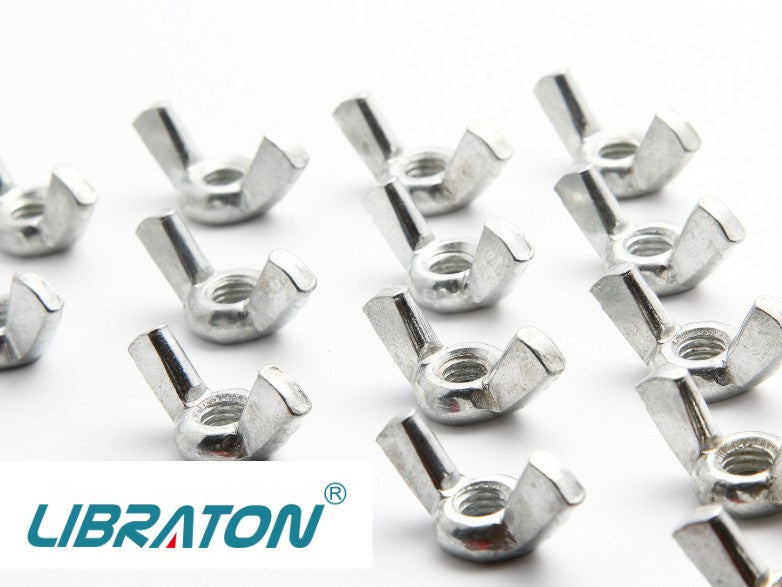
Wing nuts are designed for hand use. However, a wing nut drill bit can make large projects more convenient.
The answer is yes. You need a compatible driver and a fastener suitable for powered tightening.
However, using a drill does not mean you should simply apply as much power as possible. Proper fit, alignment, speed, and control all matter when working with wing nuts.
- Can a Drill Tighten Wing Nuts?
- What Is a Wing Nut Drill Bit?
- What Is a Wing Nut Driver for Drill Use?
- When Would You Use a Drill to Tighten Wing Nuts?
- How to Tighten a Wing Nut With a Drill
- Can You Use Any Wing Nut Driver With Any Drill?
- Can You Use a Wing Nut Drill Bit With an Impact Driver?
- What Is the Difference Between a Wing Nut Driver and a Regular Nut Driver?
- Are Wing Nut Drivers Useful for DIY?
- Tips for Using a Wing Nut Drill Bit
- Final Thoughts
Can a Drill Tighten Wing Nuts?
Yes. A compatible drill can tighten suitable wing nuts when used with an appropriate wing nut driver.
The basic setup is:
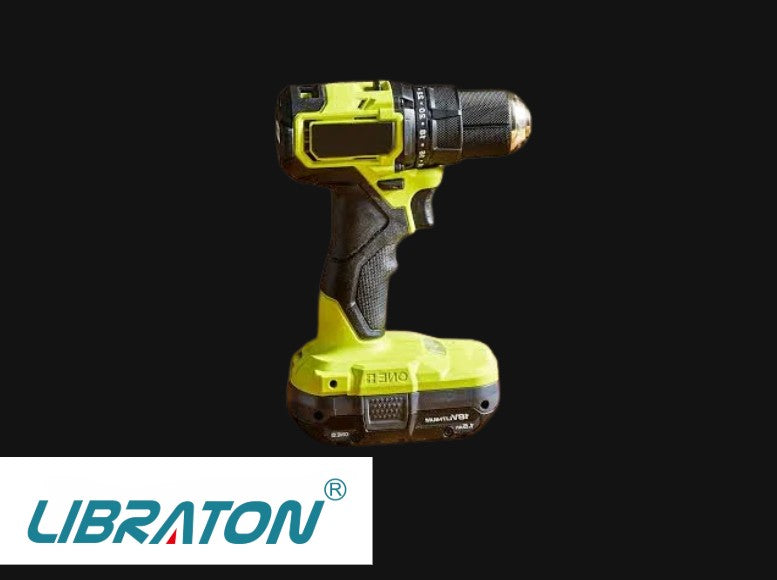
Drill → Wing Nut Driver → Wing Nut
The wing nut driver connects to the drill through its compatible shank or tool interface. Its working end then engages the wings of the fastener.
When the drill rotates, the driver transfers that motion to the wing nut.
This can be particularly convenient when a project requires repeated installation or removal of compatible wing nuts.
What Is a Wing Nut Drill Bit?
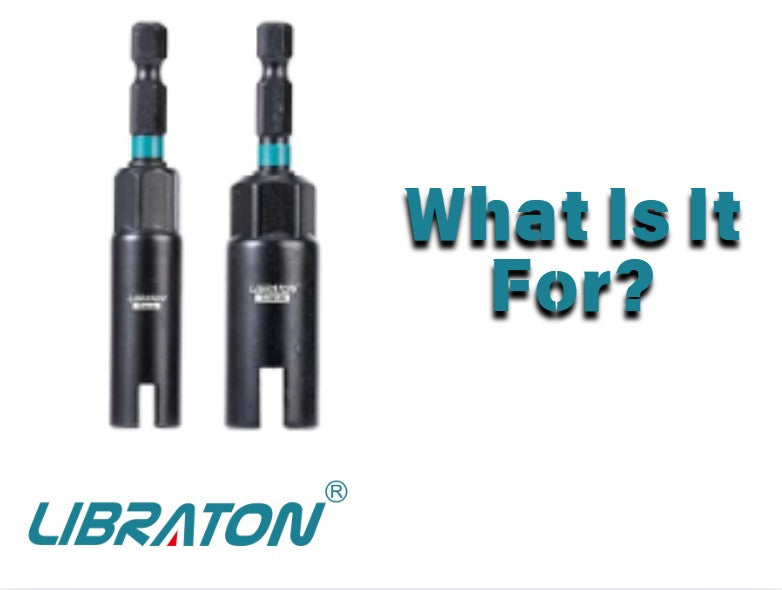
A wing nut drill bit is a specialized fastening accessory designed to work with compatible wing nuts.
Standard drivers engage hex shapes. A wing nut driver is designed around the wing nut shape.
The exact wing nut sizes and designs supported depend on the particular accessory. Always check the manufacturer's specifications before use.
The term "drill bit" in this context refers to the accessory used with the drill. It does not mean that the accessory is designed to drill holes.
What Is a Wing Nut Driver for Drill Use?
A wing nut driver for drill applications provides the connection between the drill and a compatible wing nut.
Before using one, check both sides of the setup:
- The driver must be compatible with the drill's chuck or holder.
- The working end must be compatible with the wing nut.
A physical fit between the driver and drill does not automatically mean that every wing nut is compatible. The shape and dimensions of the fastener still matter.
Install the driver properly. Position it over the wing nut and ensure it engages before applying power.
When Would You Use a Drill to Tighten Wing Nuts?
Using a drill can make sense when you need to tighten or loosen multiple compatible wing nuts.
For example, a wing nut drill bit may be useful for:
- Repetitive assembly work
- Workshop projects
- Equipment setup
- Maintenance tasks
- DIY projects involving multiple wing nuts
For a single wing nut, turning it by hand may be just as simple. The main advantage of using a drill is convenience when the task involves repeated fastening.
The application should always determine whether powered tightening is appropriate.
How to Tighten a Wing Nut With a Drill
Once you have a compatible wing nut driver, the process is straightforward.
1. Check the wing nut
Make sure the wing nut is compatible with the driver. The driver should engage the wings without excessive looseness.
2. Install the driver
Insert the wing nut driver into the compatible drill chuck or holder.
Secure it properly and make sure it is fully seated.
3. Position the driver
Place the working end over the wing nut and make sure it is properly engaged.
Keep the drill aligned with the fastener rather than holding it at an angle.
4. Start slowly
Use a low or controlled speed when beginning to tighten the wing nut.
Starting slowly gives you more control and makes it easier to stop if the driver does not engage correctly.
5. Stop at the appropriate point
Do not continue running the drill after the wing nut has reached the intended position.
Excessive force can damage wing nuts. Use a torque-controlled tool if a specific torque value is required.
Can You Use Any Wing Nut Driver With Any Drill?
No. Compatibility needs to be checked.
The wing nut driver must have a tool-side connection that your drill can securely hold. The drill's chuck or holder must also be appropriate for that accessory.
You also need to consider the wing nut itself. The working end of the driver must match the shape and dimensions of the compatible fastener.
This is why choosing a wing nut drill bit based only on its name or appearance is not enough. Check the manufacturer's specifications for the actual compatibility information.
Can You Use a Wing Nut Drill Bit With an Impact Driver?
Do not assume that you can.
An impact driver places different demands on accessories than a standard drill. A wing nut driver with a compatible hex shank is not automatically impact-rated.
Verify that the accessory is rated for impact applications before using it with an impact driver.
If that rating is not confirmed, use it only according to the manufacturer's stated compatibility.
What Is the Difference Between a Wing Nut Driver and a Regular Nut Driver?
The main difference is the type of fastener each accessory is designed to engage.
A regular nut driver is designed to fit around a compatible hex-shaped nut or external hex fastener.
A wing nut driver is designed to engage the wings of a compatible wing nut.
Because their working ends are designed differently, they should not automatically be treated as interchangeable.
Using the accessory that matches the fastener helps maintain proper engagement during powered operation.
Are Wing Nut Drivers Useful for DIY?
They can be useful if your projects regularly involve wing nuts.
Wing nuts are often chosen because they can be adjusted by hand without a conventional wrench. If a project involves many of them, however, manually turning every fastener can become repetitive.
A wing nut driver for drill use provides another option for suitable applications.
If you only encounter a wing nut occasionally, a dedicated driver may not be necessary. But for repeated assembly or maintenance work, it can be a convenient addition to a collection of drill accessories.
Tips for Using a Wing Nut Drill Bit
A few simple practices can make powered wing-nut fastening more controlled.
Check the fit first. Make sure the driver properly engages the wing nut before applying power.
Start slowly. A controlled speed makes it easier to maintain engagement and stop when necessary.
Keep the drill aligned. Avoid applying unnecessary sideways pressure to the driver or fastener.
Do not force the fastener. If the wing nut becomes difficult to turn, stop and determine why rather than simply increasing the drill's power.
Inspect the accessory. Replace a driver if its working end becomes damaged or excessively worn.
These habits are useful whether you are tightening one wing nut or working through a larger assembly project.


Final Thoughts
So, can you tighten wing nuts with a drill? Yes, a compatible drill can be used for suitable wing nuts when paired with the correct wing nut driver.
A wing nut drill bit transfers rotation from the drill to the wings. This helps with repetitive tasks.
Focus on compatibility and control. Ensure the driver fits the drill and matches the wing nut. Start slowly.
Correct use of a wing nut driver makes repetitive fastening tasks quicker and more convenient.

댓글 남기기
이 사이트는 hCaptcha에 의해 보호되며, hCaptcha의 개인 정보 보호 정책 과 서비스 약관 이 적용됩니다.