
 Oscillating Multi-Tool Blades
 Reciprocating Saw Blades
 Cutting & Grinding
 Hole Saw
 Drilling
 Sanding & Polishing
 Socket & Driver Set
 Hand Tools
 Metal Worker & Fabrication
 Woodworking & Carpentry
 Electrical & Plumbing
 Automotive
 Concrete & Masonry
 Demolition
 NEW ARRIVALS
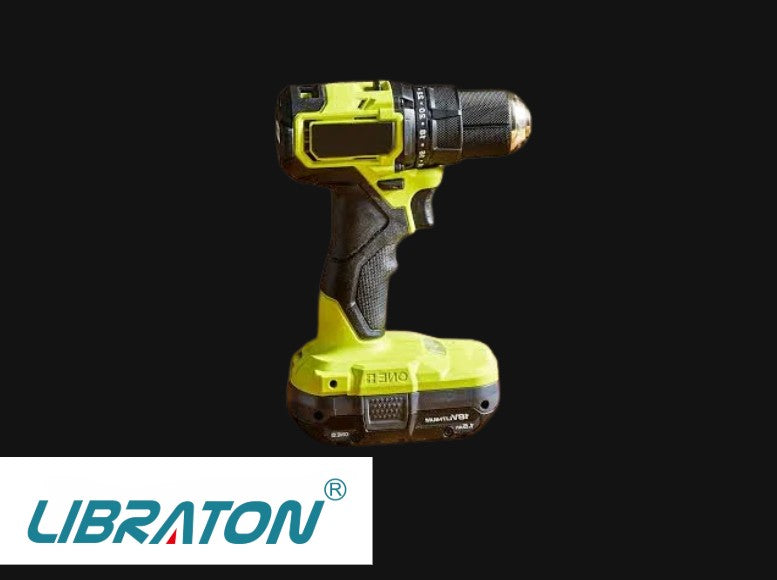
A cordless drill can be one of the most useful tools in a home workshop. While its basic job is drilling, the right drill accessories can turn the same tool into a practical option for many fastening and repair tasks.
Instead of buying a separate powered tool for every small job, you can change the accessory installed in your drill to suit the task. Drill bits can create holes, screwdriver bits can drive compatible screws, and nut drivers can handle suitable hex fasteners.
The key is understanding what your drill and each accessory are designed to do. Here is how you can use one drill for several common home repair jobs.
- 1. Start With the Right Drill Accessories
- 2. 1. Use Drill Bits to Make Holes
- 3. 2. Switch to Screwdriver Bits for Screws
- 4. 3. Use Nut Drivers for Hex Fasteners
- 5. 4. Connect Sockets With an Adapter
- 6. 5. Add an Extension When You Need More Reach
- 7. 6. Use One Drill for Furniture Assembly
- 8. 7. Build a Small Collection Instead of Buying Everything
- 9. What Are the Limits?
- 10. Tips for Switching Between Accessories
- 11. A Practical Multi-Accessory Setup
- 12. Final Thoughts
Start With the Right Drill Accessories
The versatility of a drill comes largely from its accessories. Before starting a project, identify the material or fastener involved and select an accessory designed for that application.
A basic collection might include:
- Drill bits for appropriate materials
- Screwdriver bits for common screw profiles
- Nut driver bits for compatible hex fasteners
- Socket adapters for suitable sockets
- Extension holders for applications where additional reach is needed
You do not need every accessory available. Start with the sizes and types you regularly use and expand your collection when a project requires something different.
1. Use Drill Bits to Make Holes
The most obvious of the cordless drill uses is creating holes.
Different materials can require different drill bit designs, so select a bit according to the material and the required hole size. For example, a suitable bit for wood may not be the appropriate choice for metal.
Drill bits can be useful for:
- Making pilot holes for screws
- Preparing holes for hardware
- Furniture assembly
- General DIY projects
- Suitable home maintenance tasks
When making a pilot hole, choose an appropriate diameter for the fastener and material rather than simply using whichever bit happens to be installed.
2. Switch to Screwdriver Bits for Screws
Once a hole has been prepared, you may be able to use the same drill to install a compatible screw.
Simply replace the drill bit with an appropriate screwdriver bit. Common profiles include Phillips, slotted, and Torx, among others.
The screwdriver bit should match the screw head. A poor fit can cause slipping and may damage the fastener.
This is one of the simplest ways to expand your cordless drill uses. Instead of switching to a separate powered screwdriver, you can change the accessory and continue working with the same drill.
For installation, start at a controlled speed and maintain alignment with the screw. If a specific torque value is required, use a suitable torque-controlled tool rather than assuming a drill setting provides an exact torque.
3. Use Nut Drivers for Hex Fasteners
Some repair and assembly jobs involve nuts or screws with external hex heads. In these situations, a nut driver can be more appropriate than a conventional screwdriver bit.
A nut driver engages the outside of the hex-shaped fastener. The correct size depends on the fastener, so check the fit before operating the drill.
Magnetic nut drivers can help retain compatible fasteners during normal use, which can be convenient when positioning hardware. However, magnetic retention does not guarantee that a fastener will remain attached under every condition.
Nut drivers can be useful for furniture assembly, maintenance, and other suitable fastening tasks.
4. Connect Sockets With an Adapter
If your repair requires a socket, a compatible socket adapter can allow your drill to rotate it.
The setup is straightforward:
Drill → Socket Adapter → Socket → Fastener
Common socket drive connections include 1/4 inch, 3/8 inch, and 1/2 inch. Choose an adapter that matches the socket and has a tool-side interface compatible with your drill.
Keep in mind that socket drive size describes the physical connection. It does not automatically determine the torque capacity or heavy-duty suitability of the adapter, socket, or drill.
For applications involving an impact driver, verify that the specific adapter and socket are rated for impact use. Do not assume that a compatible hex shank automatically means an accessory is impact-rated.
5. Add an Extension When You Need More Reach
Some home repair jobs are easy to perform except for one problem: the fastener is difficult to reach.
A compatible extension holder can provide additional reach between the drill and an accessory. This can help when working around brackets, panels, recessed fasteners, pipes, or other obstacles.
Different extension lengths are available for different access requirements. Use the shortest compatible setup that provides enough reach for the job.
Make sure the accessory is fully seated before operating the drill, and keep the tool aligned with the fastener.
6. Use One Drill for Furniture Assembly
Furniture assembly is a good example of how different accessories can work together.
You might start with a drill bit to make an appropriate pilot hole. Then, after changing accessories, you can use a screwdriver bit to install compatible screws.
If the furniture uses hex fasteners, a properly sized nut driver can handle those instead.
The same drill can therefore perform several different steps of the assembly without requiring multiple powered tools.
The important part is choosing the accessory that matches each fastener and material.
7. Build a Small Collection Instead of Buying Everything
One of the advantages of using drill accessories is that you can build your collection gradually.
Start with the accessories that match your most common home repair jobs. For many DIYers, that means several drill bit sizes, common screwdriver bits, and perhaps a few nut driver sizes.
If you regularly work with sockets, add a compatible socket adapter. If you frequently encounter recessed fasteners, an extension holder may be worthwhile.
This approach can keep your DIY tools organized while still giving your drill several useful functions.
What Are the Limits?
Using different drill accessories does not mean that a drill is suitable for every repair.
Some jobs require specialized tools, particularly when they involve precise torque requirements, specialized materials, or operations outside normal drilling and fastening.
Do not force seized or heavily corroded fasteners simply because a drill can rotate the accessory. A manual tool or specialized equipment may provide better control for those situations.
Likewise, do not assume that every accessory is suitable for an impact driver. Verify compatibility and ratings for the specific components before use.
Tips for Switching Between Accessories
Changing accessories is simple, but taking a few seconds to check the setup can prevent problems.
Before starting:
- Select the accessory that matches the material or fastener.
- Confirm that the accessory fits the drill or holder.
- Make sure the accessory is properly secured.
- Check that the size matches the fastener.
- Start at a controlled speed.
- Keep the tool aligned during operation.
Inspect accessories regularly as well. A damaged or excessively worn bit may not engage correctly and should be replaced.
A Practical Multi-Accessory Setup
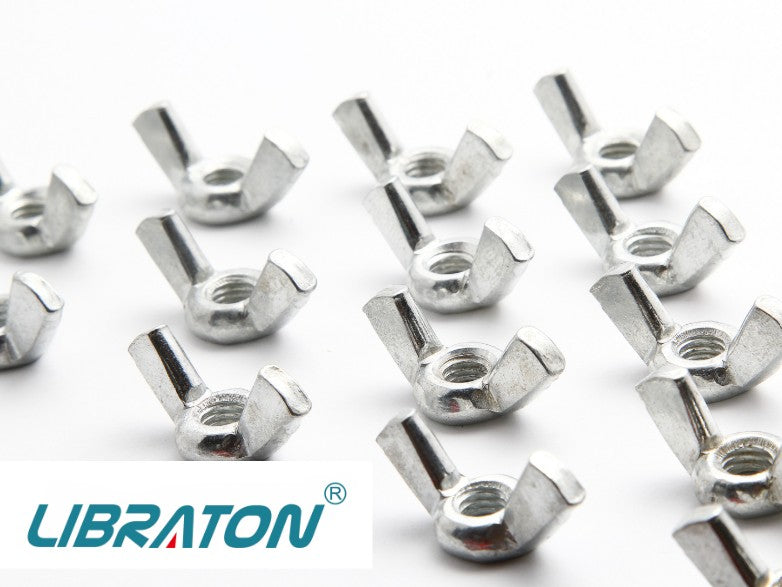
The LIBRATON 54-Piece Nut Driver Set combines several fastening accessories that can complement a cordless drill. The set includes magnetic nut drivers, screwdriver bits, socket adapters, quick-release extension holders, and wing nut drivers.
A kit like this can provide different options for suitable fastening applications while keeping related accessories together.
However, each component should still be used according to its intended application. The fact that accessories are included in one kit does not automatically mean that every component is suitable for every drill, fastener, or operating condition.


Final Thoughts
You do not necessarily need several powered tools to handle basic home repairs. With the right drill accessories, one compatible cordless drill can cover many everyday drilling and fastening tasks.
Use drill bits for creating holes, screwdriver bits for compatible screws, nut drivers for external hex fasteners, and socket adapters when a suitable socket is needed. Extension holders can add reach when access is difficult.
The most important part is matching the accessory to the job. Check compatibility, use the appropriate size, maintain good tool control, and switch to a specialized tool when the application calls for one.
With a thoughtfully selected collection of DIY tools, your drill can become a flexible part of your home repair setup without turning your toolbox into a collection of unnecessary equipment.

Leave a comment
This site is protected by hCaptcha and the hCaptcha Privacy Policy and Terms of Service apply.