
 Log in

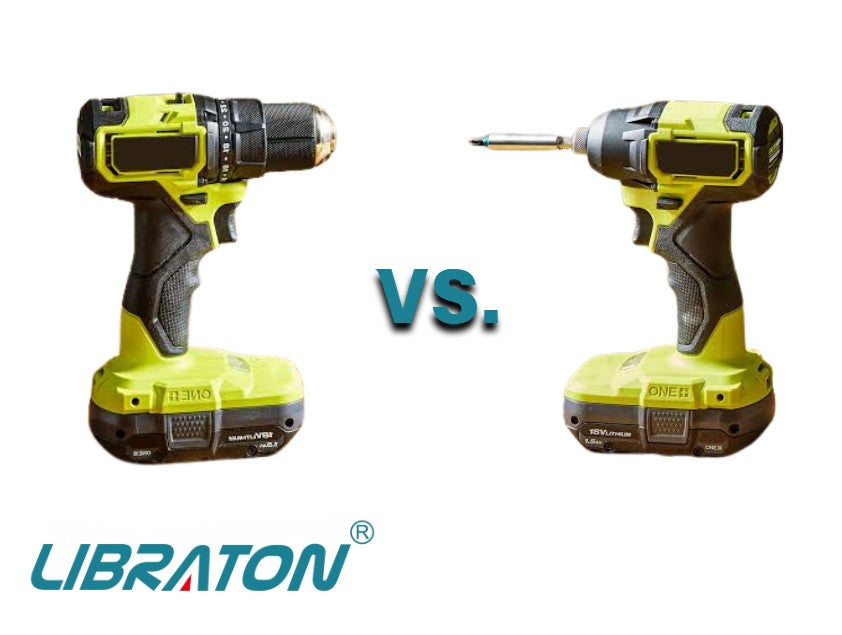
When driving hex head screws, bolts, or lag fasteners, power tools save significant time compared to manual hand drivers. Most DIY enthusiasts and workshop owners reach for either a standard cordless drill or a 1/4-inch hex impact driver. Both tools accept 1/4-inch quick-change hex shank nut driver bits, but they deliver power differently.
Choosing the right tool for hex fastening tasks impacts speed, fastener control, and user comfort. In this drill vs impact driver comparison, we will examine how each tool functions with nut driver accessories, highlight key advantages, and explain how to pick the right option for your home repair and maintenance projects.
- 1. Understanding How Each Power Tool Operates
- 2. Using Nut Driver Bits with a Cordless Drill
- 3. Using Nut Driver Bits with an Impact Driver
- 4. Drill vs. Impact Driver: Feature Comparison for Nut Driver Accessories
- 5. When to Use Nut Drivers vs. Traditional Sockets
- 6. Key Features to Look for in Power Tool Nut Driver Sets
- 7. Simple Guidelines for Power Fastening Success
- 8. Summary
Understanding How Each Power Tool Operates
While both tools rotate accessories, their internal mechanisms operate under completely different principles:
- Cordless Drill/Driver: Uses smooth, continuous rotational force. Drills feature an adjustable mechanical clutch with numbered torque settings that slip when a designated resistance is reached, stopping the bit from over-driving.
- Impact Driver: Combines high rotational speed with rapid rotational impacts (hammer and anvil mechanism) when encountering resistance. Instead of applying continuous smooth power, it delivers thousands of tiny rotational taps per minute to drive fasteners efficiently.
Proper size selection and good socket engagement help reduce movement and improve control during fastening, regardless of which power tool you choose.
Using Nut Driver Bits with a Cordless Drill
A standard cordless drill is versatile and offers precise control, making it a popular choice for assembling delicate equipment.
Key Advantages of a Drill
- Adjustable Clutch Control: The mechanical clutch ring allows you to dial in exact torque limits. This is particularly useful when driving small hex sheet metal screws into thin materials, preventing stripped threads or damaged panels.
- Keyless Chuck Versatility: Standard 3/8-inch or 1/2-inch keyless chucks accept non-hex round shanks, specialized adapters, and standard hex bits alike.
- Smooth, Quiet Operation: Drills run quietly without the loud hammering noise characteristic of impact drivers, which is preferable for indoor work.
Best Applications for Drills
- Assembling flat-pack furniture or cabinetry with metric hardware
- Installing delicate appliance access panels and HVAC duct covers
- General home repair projects where over-tightening could strip light sheet metal
Using Nut Driver Bits with an Impact Driver
Impact drivers are built for speed and efficiency, making them the preferred tool for high-frequency or long-fastener driving.
Key Advantages of an Impact Driver
- Quick-Release Hex Collet: The standard 1/4-inch hex collet lets you drop in magnetic nut driver bits instantly without tightening or loosening a chuck.
- High Rotational Speed and Efficiency: The rapid impacting mechanism helps drive long hex screws smoothly without transferring kickback or wrist strain to the user.
- Compact and Lightweight Form Factor: Impact drivers generally have shorter tool heads, allowing you to fit into narrow spaces between joists, under car hoods, or inside mower decks.
Best Applications for Impact Drivers
- Long-reach driving tasks, such as driving 6-inch bits into deep recessed machinery frames
- Repetitive sheet metal screw installation on outdoor roofing or fencing
- Automotive trim maintenance, hose clamp adjustments, and light equipment servicing
Drill vs. Impact Driver: Feature Comparison for Nut Driver Accessories
The table below breaks down how each tool performs across essential fastening criteria:
| Feature / Capability | Cordless Drill / Driver | Impact Driver |
| Bit Holder Style | 3-Jaw Keyless Chuck | 1/4 in Quick-Release Hex Collet |
| Fastener Control | High (Adjustable mechanical clutch) | Moderate (Requires variable speed trigger control) |
| Driving Speed | Smooth, continuous rotation | High speed with rapid rotational impacts |
| Tight Space Accessibility | Larger tool head profile | Compact, short tool head profile |
| User Wrist Strain | Higher rotational kickback on resistance | Lower kickback due to impact mechanism |
| Noise Level | Low to moderate | High (Hearing protection recommended) |
Evaluating your project needs using this drill vs impact driver comparison ensures you match the tool mechanism to the material density and fastener size.
When to Use Nut Drivers vs. Traditional Sockets
While both drills and impact drivers speed up hex fastening, understanding tool boundaries helps protect your hardware:
- Nut Drivers on Power Tools: Ideal for rapid running, cover removal, sheet metal screws, and routine assembly. The direct shank connection speeds up light-to-medium tasks significantly.
- Manual Socket Wrenches: Better suited for breaking loose heavily rusted frame bolts or high-torque applications where precise manual feel is required to prevent shearing aged hardware.
Key Features to Look for in Power Tool Nut Driver Sets
To get the best performance from your power tools, choose a comprehensive nut driver kit designed for versatility:
- 1/4-Inch Universal Hex Shank: Ensures seamless compatibility with both impact driver quick-release collets and standard drill chucks.
- Complete SAE and Metric Coverage: A complete selection of SAE sizes (3/16 in to 9/16 in) and Metric sizes (6mm to 14mm) ensures you are ready for domestic and imported hardware.
- 6-Inch Long Reach Shafts: Extended driver lengths make accessing deeply recessed bolts in generator housings or engine bays straightforward.
- Durable Cr-V Steel: Forged Chrome Vanadium (Cr-V) steel construction delivers excellent strength and wear resistance for daily maintenance tasks and light professional applications.
- Built-in Magnetic Assistance: Internal magnets hold nuts and small bolts securely in the socket, reducing dropped hardware in tight spaces.
- Organized Storage Case: A sturdy blow-molded storage box keeps all driver bits and extra accessories organized by size.
Simple Guidelines for Power Fastening Success
Keep these quick tips in mind when using nut driver bits on power tools:
- Start Threads Straight: Seat the driver bit straight over the hex head before pulling the trigger to prevent cross-threading or slipping.
- Control Trigger Speed: Use gentle trigger pressure on impact drivers to maintain full control when starting small nuts or sheet metal screws.
- Clean Out Sockets Periodically: Wipe out metal dust and debris that accumulates inside magnetic tips so fasteners seat completely down.


Summary
In the overall drill vs impact driver debate for nut driver bits, both tools bring distinct strengths to your workshop. Use a cordless drill when you need clutch control for delicate assembly, and switch to an impact driver for compact accessibility, speed, and repetitive fastening on larger maintenance tasks.