
 Oscillating Multi-Tool Blades
 Reciprocating Saw Blades
 Cutting & Grinding
 Hole Saw
 Drilling
 Sanding & Polishing
 Socket & Driver Set
 Hand Tools
 Metal Worker & Fabrication
 Woodworking & Carpentry
 Electrical & Plumbing
 Automotive
 Concrete & Masonry
 Demolition
 NEW ARRIVALS
A drill is one of the most useful power tools to have around the house, but the drill itself is only half of the setup. The right bit determines what material you can work with, what kind of hole you can make, and whether the job feels straightforward or frustrating.
For basic repairs and DIY projects, you do not necessarily need a huge collection of specialized accessories. A practical selection of drill bits for DIY can cover many common tasks, from making pilot holes in wood to drilling into metal or preparing holes for fasteners.
The key is understanding which bit is designed for which material. This guide covers the main types of drill bits worth considering for home use and how to choose between them.
- What Drill Bits Do I Need for Home Repairs?
- How Many Drill Bit Sizes Do You Need?
- How Do You Choose the Right Drill Bit?
- Drill Bits vs. Driver Bits
- What About Nut Driver Bits?
- How to Build a Practical DIY Drill Setup
- Tips for Using Drill Bits at Home
- What Should You Look for in Drill Bits for DIY?
- Final Thoughts
What Drill Bits Do I Need for Home Repairs?
The answer depends on the materials you are most likely to encounter. For many basic household jobs, a useful starting selection includes:
- General-purpose bits for suitable materials
- Wood drill bits
- Metal drill bits
- Bits in several common sizes
The exact selection will depend on your projects, but the basic principle is simple: choose the bit according to the material and the hole you need to make.
A drill bit designed for one material should not automatically be assumed to be suitable for another. Using the appropriate bit can make drilling more controlled and help avoid unnecessary wear or damage.
1. Drill Bits for Wood
Wood is one of the most common materials encountered in DIY projects, furniture assembly, shelving, and household repairs.
When working with wood, use a drill bit designed for wood and select a size appropriate for the hole or fastener involved.
Woodworking tasks can include:
- Making pilot holes before installing screws
- Creating holes for hardware
- Preparing holes for furniture assembly
- Drilling through suitable wooden boards and panels
When making a pilot hole, the bit should be selected according to the fastener and the material. A pilot hole can help guide a screw and reduce the amount of force needed during installation.
For basic drill bits for home use, having several sizes available is generally more useful than relying on one bit for every task.
2. Drill Bits for Metal
Metal requires a bit designed for metalworking rather than simply using whichever bit happens to be in the drill.
Metal drill bits are useful for suitable household repair and workshop tasks involving metal components, brackets, hardware, and other appropriate materials.
When drilling metal, keep the bit aligned with the surface and use a controlled approach. The exact drilling technique can vary depending on the type and thickness of the material.
It is also important to avoid assuming that a bit suitable for one type of metal will automatically be appropriate for every metalworking application. Check the bit's intended material and follow the manufacturer's guidance.
For DIY users who occasionally work with metal, having a small range of appropriately sized metal bits can be a useful addition to their home repair tools.
3. General-Purpose Drill Bits
Some drill bits are designed for broader applications and can be useful when you are handling a variety of ordinary household tasks.
However, "general-purpose" should not be interpreted as "suitable for every material." Always check what materials the particular bit is designed to handle.
For someone building a basic collection of drill bits for DIY, a general-purpose option can complement more specialized wood or metal bits.
The goal is not necessarily to own the largest possible collection. It is to have the appropriate accessory available for the materials and tasks you actually encounter.
How Many Drill Bit Sizes Do You Need?

There is no single set of sizes that every homeowner needs.
The most useful sizes depend on the fasteners, hardware, and projects you regularly work with. If you frequently install screws, for example, you may want several sizes for making appropriately sized pilot holes.
A selection of smaller and medium-sized bits can cover many ordinary household applications, while larger bits can be added when a project requires them.
When choosing drill bits for home use, consider the types of repairs you actually perform rather than buying sizes simply because they are available in a large set.
How Do You Choose the Right Drill Bit?
Start with the material.
Ask yourself:
What am I drilling?
Is it wood, metal, or another material? Once you know the material, choose a bit designed for that application.
Next, consider the required hole size.
How large does the hole need to be?
The correct diameter depends on the job. For a pilot hole, the required size can depend on the fastener and material. For a clearance or hardware hole, the required diameter may be determined by the component being installed.
Finally, check that the bit's shank is compatible with your drill.
A bit that is technically appropriate for the material is not useful if its shank does not fit your tool.
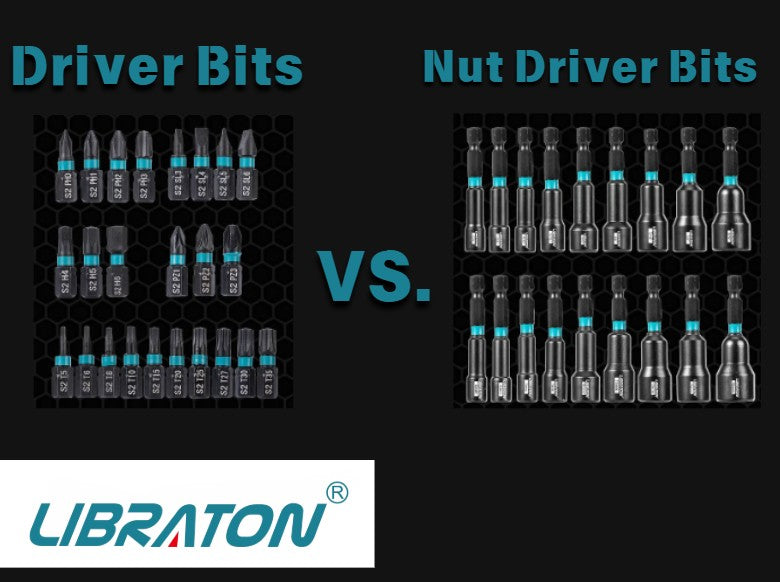
Drill Bits vs. Driver Bits
One common source of confusion is the difference between drill bits and driver bits.
Drill bits are designed to cut into material and create holes. Driver bits are designed to engage compatible screw heads so that the tool can install or remove screws.
For example, you might use a drill bit to make a pilot hole in a piece of wood and then switch to an appropriate driver bit to install the screw.
This is why a useful collection of home repair tools often includes both drilling and driving accessories. They perform different jobs even though both can be used with a compatible drill.
What About Nut Driver Bits?
Nut driver bits are another useful accessory for certain household fastening tasks.
Instead of fitting into a recessed screw head like a Phillips or Torx driver bit, a nut driver engages the external hex shape of a compatible nut or hex-head fastener.
They can be useful for furniture assembly, maintenance, and other tasks involving compatible hex fasteners.
A nut driver must be the appropriate size for the fastener. Using the wrong size can result in poor engagement, so check the fit before operating the drill.
For homeowners who regularly work with different types of fasteners, keeping drill bits, driver bits, and nut driver bits together can make a basic tool collection more versatile.
How to Build a Practical DIY Drill Setup
You do not need every possible accessory to handle basic repairs. Instead, start with the tasks you are most likely to encounter.
A practical setup might include several appropriately sized drill bits for the materials you commonly work with, along with driver bits for screw installation and removal.
If you frequently work with hex-head fasteners, adding nut driver bits can provide another useful fastening option.
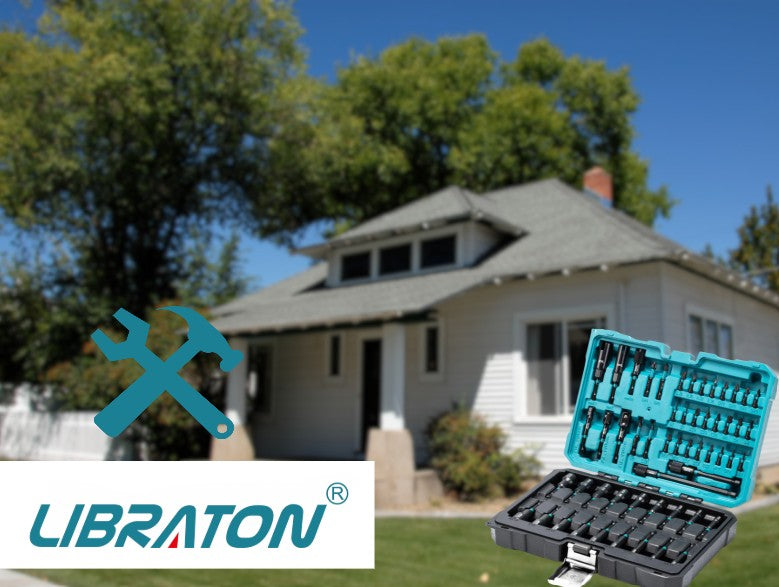
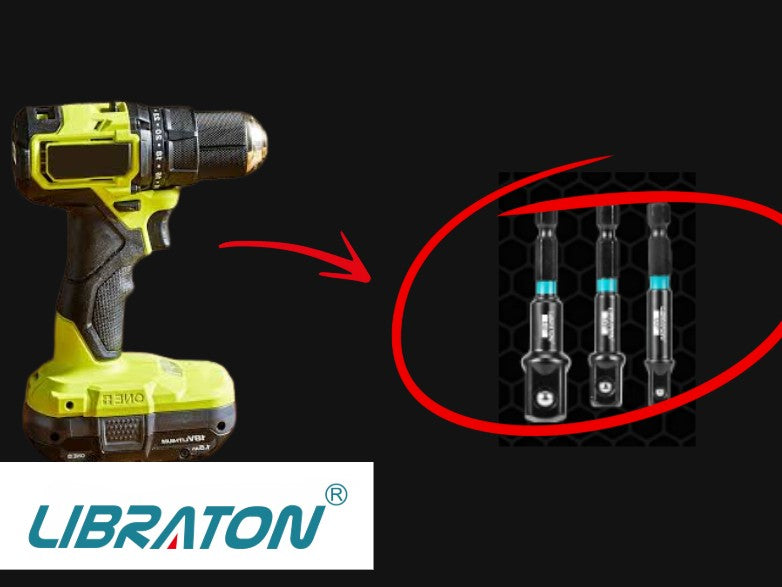
The LIBRATON 54-Piece Nut Driver Set combines magnetic nut drivers with screwdriver bits, socket adapters, quick-release extension holders, and wing nut drivers. This type of accessory selection can complement a drill-bit collection by covering additional fastening tasks.
The important point is to match each accessory to its intended application and to the fastener or material being worked on.
Tips for Using Drill Bits at Home
Even simple DIY drilling jobs benefit from good tool control.
Before starting, mark the location of the hole and make sure the bit is appropriate for the material. Keep the drill aligned with the surface rather than pushing it sideways while drilling.
Start at a controlled speed and increase it only as appropriate for the task and bit. Avoid excessive pressure. Let the bit perform the cutting rather than trying to force it through the material.
Inspect your bits periodically as well. A worn or damaged cutting edge can make drilling less effective and may produce poor results.
For unfamiliar materials or applications, check the bit manufacturer's recommendations before starting.
What Should You Look for in Drill Bits for DIY?
When choosing drill bits for DIY projects, focus on compatibility and the jobs you actually expect to perform.
Consider:
- Material compatibility: Choose bits intended for the material you need to drill.
- Size selection: Keep several useful diameters available rather than relying on one size.
- Tool compatibility: Make sure the shank works with your drill or chuck.
- Application: Consider whether you need bits for pilot holes, hardware installation, or larger holes.
- Condition: Replace bits that are damaged or excessively worn.
A carefully selected collection is generally more useful than a large assortment that contains sizes or types you rarely need.


Final Thoughts
The best drill bits for DIY are the ones that match the materials and repairs you are likely to encounter. For many households, that means having appropriately sized bits for common wood and metal applications, along with a selection of driver and nut driver accessories for fastening.
When choosing drill bits for home use, start with the material, determine the required hole size, and confirm that the bit is compatible with your drill. From there, you can gradually expand your collection as new projects require different sizes or bit types.
With the right drill bits and complementary home repair tools, basic drilling and fastening jobs become much easier to approach. The goal is not to own every possible bit. It is to have the right one ready when the next repair or DIY project comes along.

Leave a comment
This site is protected by hCaptcha and the hCaptcha Privacy Policy and Terms of Service apply.