
 Log in

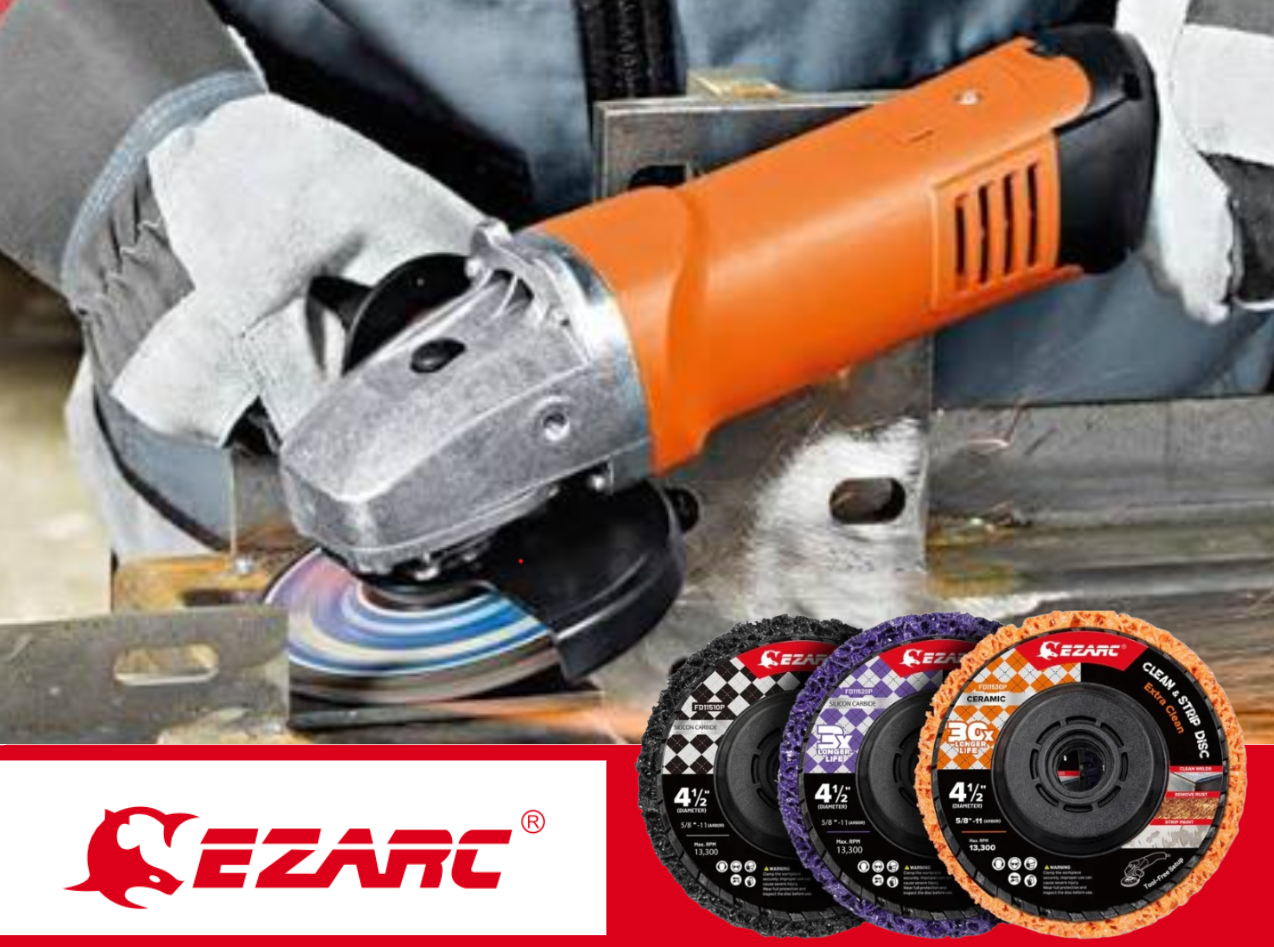
Walk into any garage or fab shop. You will see the same mistake over and over: a guy runs the wrong stripping disc on his angle grinder. It burns through in ten minutes. Then he wonders why the "cheap" disc cost more. Picking the right disc isn't complicated. Understand what each color is built for. Get it wrong, and you're underpowered. Or you tear into metal unnecessarily.
This guide breaks down the three-disc system. This includes orange, purple, and black discs. Match the right disc to your angle grinder. Do this before you pull the trigger.
Why the Disc You Choose Actually Matters

Not all stripping jobs are created equal. Stripping rust off a trailer frame is different. It's not like knocking oxidation off aluminum. Using a heavy-duty disc on a light job wastes material. It can also gouge softer metal. Using a light-duty disc on a heavy job is inefficient. You'll burn through discs fast. You'll still be fighting rust an hour later.
A stripping disc works through an open mesh structure. It mounts on an angle grinder. This spreads grinding force evenly. It also cuts down on heat buildup. This means less warping and a cleaner finish. This only works when the disc's cutting power matches the surface.
Orange Ceramic: Built for the Toughest Jobs
Is the surface badly rusted? Is it heavily coated? Is it made from tougher metal? Orange is where you start.
The orange ceramic disc is the strongest option. It is also the longest-lasting. It's engineered for heavy rust and thick paint. It handles deep rust pits and stainless steel. It also works on high-strength alloy steel and titanium alloy. These are demanding surfaces. They chew through ordinary discs fast. Compared with a standard black silicon carbide disc, orange ceramic lasts longer. It can deliver up to 30 times longer service life. This means fewer stops to swap discs mid-job.
Best for:
- Stripping old paint down to bare metal on car panels
- Cleaning heavy rust from trailer frames, gates, railings, and metal parts
- Removing oxidation and scale from welded steel
- Preparing tough metal surfaces before repainting or coating
- Knocking down deep rust pits without gouging the workpiece
Not sure how tough the job is? Orange is the safer starting point for heavy work. It handles worst-case surfaces without stalling your grinder.
Purple: The Everyday Workhorse
Not every job needs full ceramic power. That's where purple comes in. It's made with high-purity silicon carbide. It delivers stronger cutting performance than black. It's also easier to control than orange.

Purple is the disc most shops reach for daily. It's built for moderate rust and carbon steel. It handles alloy steel and tool steel. It also works on weld discoloration and light scale. Purple is good for general metal surface prep. Compared with a standard black disc, purple lasts longer. It offers roughly 3 times longer life. It's a solid middle-ground choice. Use it when black feels too light. Use it when orange feels like overkill.
Best for:
- General carbon steel and alloy steel cleanup
- Cleaning up weld discoloration after fabrication
- Moderate rust removal on tools and equipment
- Everyday metal prep before coating or repainting
If you're running your angle grinder on routine metal work most of the week, purple should be your go-to disc.
Black: Light Duty, Precise Control
The black disc is the light-touch option in the set, and it's the right call more often than people think.
Use black for light rust and thin paint. It works for oxidation and softer materials. These include wood, stone, fiberglass, aluminum, and copper. It's built for quick clean-up and light paint removal. It handles deburring and basic surface prep. You want to clean the surface. Do not strip away more material than necessary. Running black gives you the most control. This matters when working on a delicate finish.
Best for:
- Deburring metal edges after cutting or drilling
- Light rust removal on tools and hand equipment
- Cleaning aluminum, copper, and other soft metals
- Surface prep on wood, stone, and fiberglass
Side-by-Side Comparison
| Disc | Best Use | Cleaning Power | Lifespan vs. Standard Black |
| Orange Ceramic | Heavy rust, thick paint, deep pits, stainless steel, high-strength alloys | Heavy-Duty Stripping | Up to 30X |
| Purple | Moderate rust, carbon steel, alloy steel, tool steel, weld cleanup | General Metal Cleaning | About 3X |
| Black | Light rust, thin paint, softer materials, basic prep work | Light Surface Cleaning | 1X (baseline) |

A Simple Rule of Thumb for Your Angle Grinder
Staring at a surface? Not sure which disc to grab? Ask yourself one question: how bad is it?
- Rough, rusted, or heavily coated? Go orange.
- Everyday metal work or routine cleanup? Go purple.
- Light rust, delicate material, or a finish you want to preserve? Go black.
Starting with too much disc wastes material and risks damaging the surface. Starting with too little means you're fighting the job and burning through discs faster than you should. Matching the disc to the surface keeps things running efficiently and gets the job done in fewer passes.
It helps to think about job changes. A trailer frame might need orange initially. Use it for the worst rust. Then switch to purple for solid steel. Finish with black for a light pass before primer. Keeping all three discs on hand is smart. You're never stuck with the wrong tool halfway through.
Fits Standard Equipment, No Guesswork
All three discs share the same size. They have a 4-1/2 inch diameter. They also have a 7/8 inch arbor hole. They fit most standard angle grinders. No adapters or special hardware are needed. Each is rated for 13,300 RPM maximum speed. They are built for real workshop conditions. They handle job site demands. They are not just for occasional light use.
This consistency means switching discs takes seconds. Go from orange to purple to black quickly. Move from heavy stripping to fine cleanup easily. Do this on the same project without missing a beat. No extra tools are needed. No downtime hunting for attachments. Just a disc swap and you're back to work.
The Bottom Line
A good stripping job starts with the right disc. Picking it beforehand makes a difference. Orange ceramic handles the toughest rust. It also removes coatings your angle grinder will face. Purple covers everyday metal work. This makes up most shop time. Black gives you control for light-duty jobs. It's also for softer materials. Know the job, match the disc. Let your angle grinder do the rest.
1 comment
These are great products and great people on a mission to be the best. And make positive impacts in the industry.