
 ログイン
ログイン

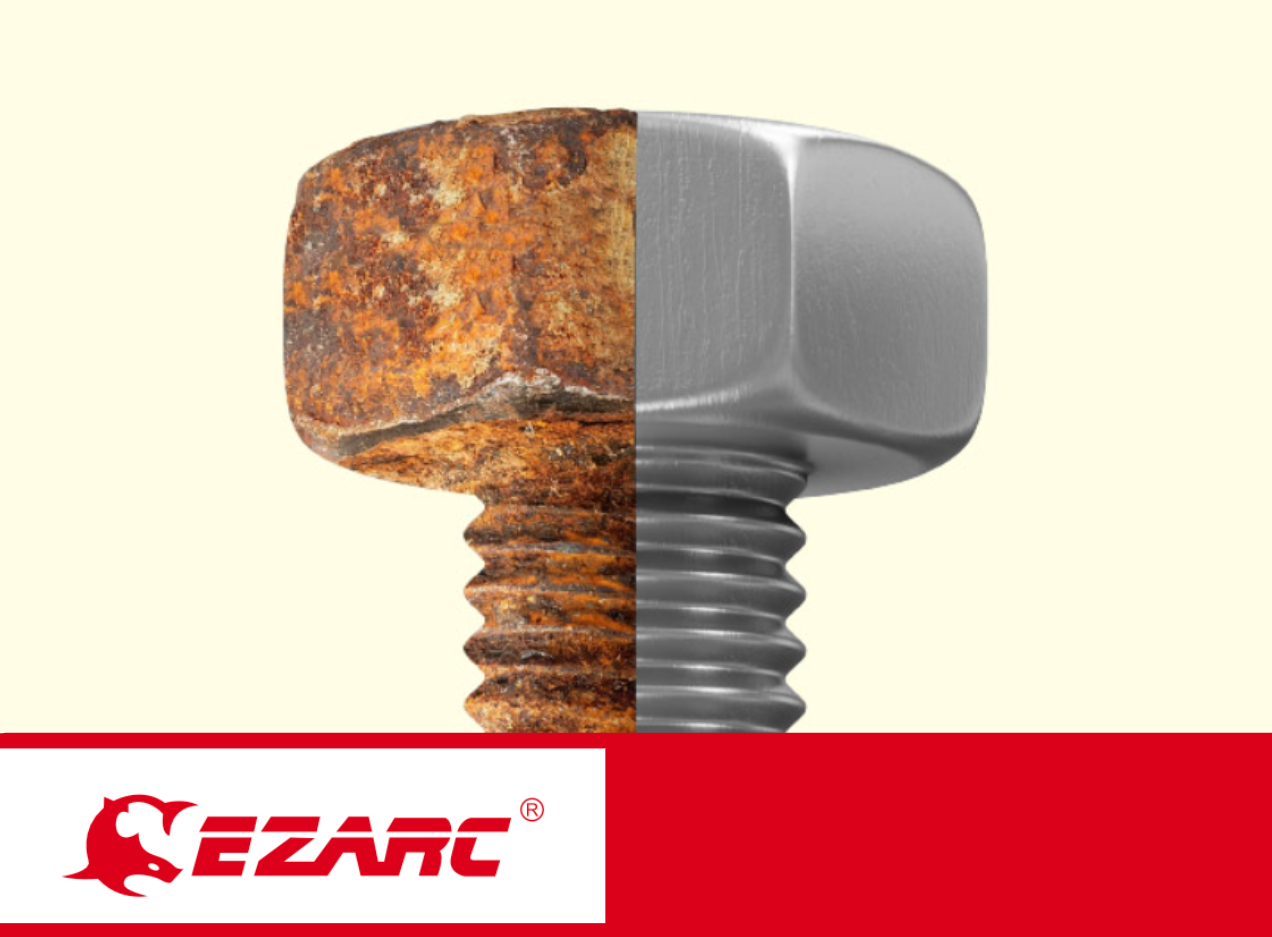
Rust is a common problem in garages, workshops, farms, and job sites. Left alone, it looks bad. It also eats away at metal. Rust weakens structural parts. It ruins surface prep for paint. You might deal with a rusted trailer frame or corroded gate. Perhaps an old tool or a car panel. Even a stubborn bolt needs an angle grinder. The good news is rust removal is a solved problem. You just need the right method for your situation.
This guide covers every major way to remove rust from metal. This ranges from slow chemical soaks. It includes the fastest mechanical method. Most pros use an angle grinder with a stripping disc.
Why Rust Forms (and Why It Keeps Coming Back)

Rust happens when iron or steel reacts with oxygen and moisture. It starts as surface discoloration. But it quickly eats into the metal. This creates pits and weak spots. The longer rust sits, the deeper it goes. Catching it early and removing it completely is important. Do not just paint over it. This matters for anything you want to last. Many people eventually use an angle grinder. Hand tools slow down once rust has set in.
Method 1: Chemical Rust Removers
Chemical rust removers and converters are good for small parts. They work well on delicate surfaces. They are also good when power tools are not an option. You apply the product and let it soak. Then, wipe away the loosened rust. Or, a converter turns it into a paintable surface.
Pros: No power tools are needed. It is gentle on the underlying metal. Good for intricate parts. Cons: It is slow and often needs hours of soaking. It doesn't work well on heavy, deep rust. Also, not on large surfaces like frames and panels.
Method 2: Sanding by Hand or With a Sander
Sandpaper or an orbital sander can knock off light surface rust, especially on flat panels. It's inexpensive and easy to control.
Pros: Cheap, precise, low risk of damaging the metal underneath. Cons: Extremely slow on anything beyond light rust, and impractical for large areas, tight corners, or heavily pitted surfaces.
Method 3: Wire Brushes and Wire Wheels
A wire brush has been the go-to rust removal tool for decades. This includes hand-held or drill-mounted brushes. It works, but it has real downsides. Wire brushes throw sparks and shed loose bristles. They often leave stubborn spots behind. This is true especially in pits and corners.
Pros: Widely available, inexpensive, works on light to moderate rust. Cons: Slower than an angle grinder for heavy corrosion, wears out fast, and can leave an inconsistent finish. Many people upgrade to an angle grinder once they've fought a bad wire wheel on a rusted frame.
Method 4: Sandblasting
Sandblasting is excellent for large-scale rust removal and can strip a surface down to bare metal quickly and evenly. It's commonly used in auto body shops and industrial settings.
Pros: Fast, thorough, ideal for large flat surfaces or full vehicle bodies. Cons: Requires specialized equipment, a controlled space, and safety gear most people don't have on hand at home. Not practical for a one-off garage job.
Method 5: An Angle Grinder With a Stripping Disc (The Fastest Practical Method)
For most real-world rust jobs, an angle grinder is best. This includes trailer frames, gates, and railings. It works for tools, car panels, and welded steel. A stripping disc makes it the fastest, most practical method. It combines sandblasting speed with tool accessibility. Most people own or can easily buy this tool. This is why it's the default choice in many shops.

A stripping disc spreads grinding force evenly. This open mesh structure cuts through rust fast. It reduces heat buildup, preventing warped metal. Unlike a wire wheel, no bristles fly around. Unlike hand sanding, it clears heavy rust in minutes. This saves hours of work. Anyone who fought rust by hand will appreciate this.
Pros: It is fast and effective on all rust. It works on many materials. Most workshops already have this tool. Cons: Basic power tool safety is required. This means eye protection, gloves, and a steady hand. Practice is needed to avoid over-grinding softer metals.
Matching the Disc to the Rust
Not all rust is the same, so most stripping disc systems come in a few grades:
- Heavy-duty ceramic discs for badly rusted, heavily coated, or tough alloy surfaces — these last far longer than standard discs under heavy use.
- Mid-grade discs for moderate rust and everyday metal cleanup on carbon steel and alloy steel.
- Light-duty discs for light surface rust and softer materials like aluminum, copper, or wood.
Using the right grade on your angle grinder has benefits. It means fewer disc changes. You get a cleaner result. There is less risk of gouging the metal. Keep more than one grade on hand. A single angle grinder can do heavy stripping. It can also do light finishing work by swapping the disc.
Choosing the Right Method for Your Job
- Small, delicate parts: Chemical rust remover or hand sanding.
- Light surface rust on flat panels: Sandpaper or a sander.
- Occasional light-to-moderate rust: A wire brush works, but expect a slower process.
- Trailer frames, gates, tools, panels, welded steel, or anything with real rust buildup: An angle grinder with a stripping disc is the fastest and most reliable option.
- Full vehicle bodies or large industrial surfaces: Sandblasting, if you have access to the equipment.
For most rust jobs around a home, farm, or job site, an angle grinder is ideal. It gets the job done fastest without sacrificing control.
Prepping the Surface After Rust Removal
Removing the rust is only half the job. Once the metal is clean, it's exposed and vulnerable to rusting again if it's not protected. A few steps make the difference:
- Wipe down the surface to remove dust and grinding debris.
- Check for any remaining rust in pits or corners and go back over it if needed.
- Apply a primer designed for bare metal as soon as possible.
- Finish with a paint or coating rated for the environment the metal will face — outdoor gates and trailer frames need different protection than indoor tools.
Skipping this step is one of the most common reasons rust comes right back within a year.
Final Thoughts
Rust removal doesn't have to be a guessing game. Chemical removers and hand sanding work for small jobs. They also work for delicate jobs. But for real rust, an angle grinder is best. This includes frames, gates, panels, tools, or welded steel. A stripping disc makes it the fastest, most dependable method. Match the disc grade to the rust severity. Protect the surface once it's clean. You'll get a repair that lasts. It won't need redoing next season. After using an angle grinder, other methods feel slow.