
 Einloggen

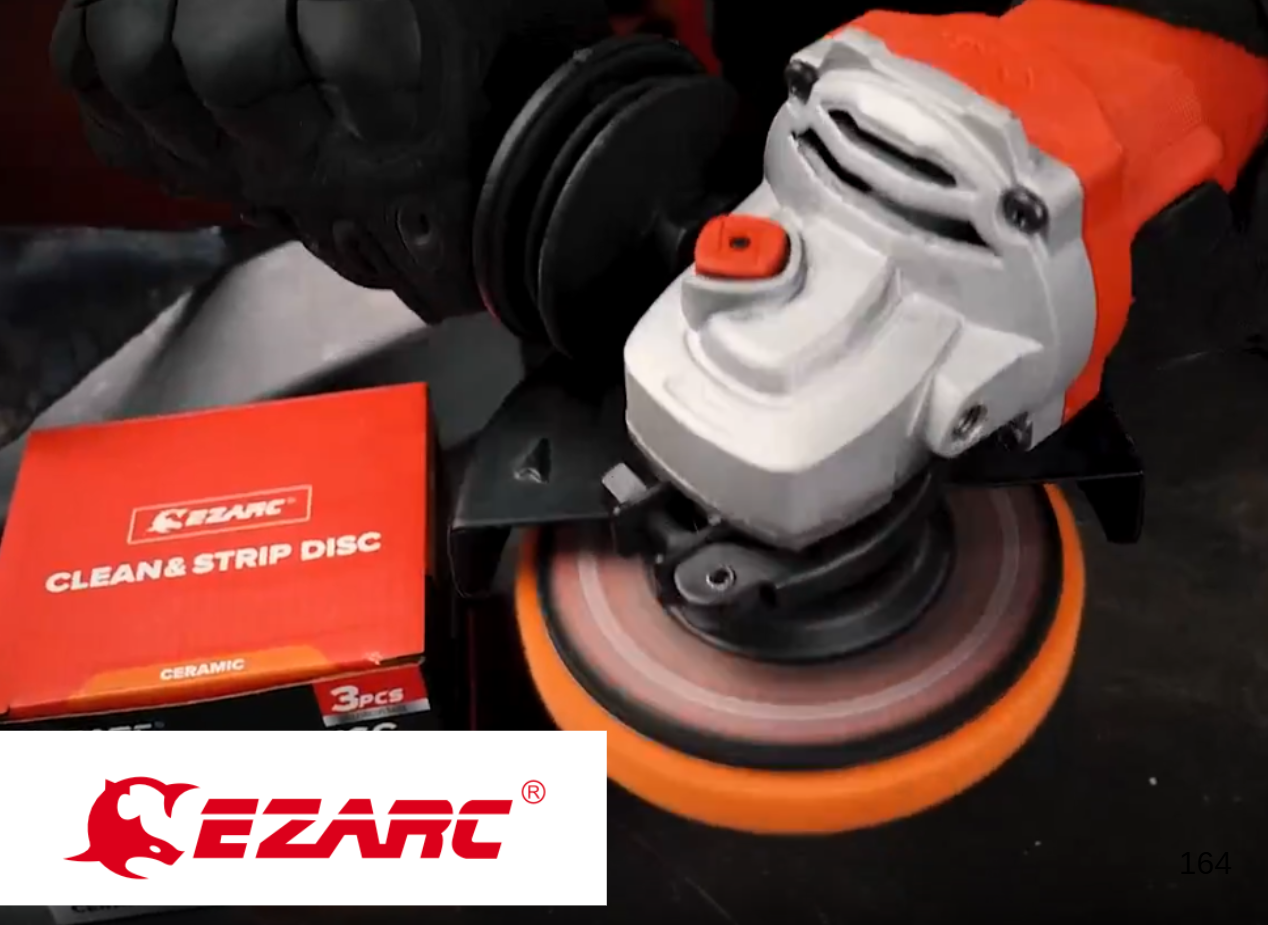
Buying the right stripping disc is only half the equation. Your setup, use, and care with your angle grinder determine its lifespan and performance. Otherwise, discs burn faster than they should. You might also wonder why results don't match the promise. If you have EZARC stripping discs, here's how to maximize them.
Start With the Right angle grinder Setup
Before the disc touches metal, get the basics right. EZARC's 4-1/2" stripping discs have a 7/8 inch arbor hole. They mount directly onto most angle grinders. No adapter is needed for mounting. Double-check your angle grinder's rated speed. It shouldn't exceed the disc's maximum of 13,300 RPM. Running within the correct speed range ensures disc performance. It also keeps you safe while you work.
Make sure the disc is seated flat and tightened securely before you start. A disc that's mounted slightly off can wobble, wear unevenly, and produce a rougher finish than it should.

Match the Disc to the Job Every Time
This is the single biggest factor in getting good results and long disc life. EZARC's system comes in three grades, and using the right one for the surface in front of you changes everything:
- Orange Ceramic — Reach for this on heavy rust, thick paint, deep rust pits, stainless steel, high-strength alloy steel, and titanium alloy. It's the strongest, longest-lasting disc in the set, built for the toughest jobs your angle grinder will face.
- Purple — Your everyday disc for moderate rust, carbon steel, alloy steel, tool steel, and weld discoloration. It offers more cutting power than black while staying easier to control than ceramic.
- Black — The light-duty option for light rust, thin paint, oxidation, and softer materials like wood, stone, fiberglass, aluminum, and copper. Use it when you want to clean the surface without stripping away more material than necessary.
Grabbing any disc instead of considering the surface wastes material. It also leads to uneven results. Take ten extra seconds to pick the right one.
Let the Disc's Design Work for You
EZARC stripping discs use an open mesh structure. This differs from a solid abrasive surface. That design does more than you might think. It spreads grinding force evenly across the surface. This prevents hot spots while running your angle grinder. It also reduces the chance of warping thinner metal. These discs handle rust, paint, and scale efficiently. This is why they outperform solid wheels or wire brushes.
To get the full benefit, keep the disc moving. Use smooth, overlapping passes. Avoid holding it in one spot. Let the mesh structure and speed do the cutting. You are guiding the tool. Do not muscle it through the material.

Use Light, Consistent Pressure
Pushing harder on a stripping disc does not speed up the job. It wears the disc down faster. It also increases the risk of gouging the surface. Let your angle grinder run at full speed. This is before it contacts the metal. Then, apply light, even pressure. Let the abrasive do the work. You'll get a more consistent finish. This will also stretch the disc's usable life significantly.
Work in Stages on Tough Jobs
For heavily rusted or coated surfaces, one disc won't do it all. A smart approach is to start with orange ceramic. This knocks down the worst rust or coating. Move to purple for general cleanup. Do this once you're down to solid metal. Finish with black for a light pass. This is if you're prepping for paint or a fine finish. Running your angle grinder this way gets a cleaner result. This staged approach is better. It avoids forcing one grade to handle the whole job.
Watch for Signs a Disc Needs Replacing
Even a long-lasting disc wears out eventually. Watch for reduced cutting speed. Look for visible thinning of the mesh. A rougher, less consistent finish indicates wear. This happens when the disc was newer. Running a worn-out disc slows you down. It can also produce an inconsistent surface. This causes problems later, especially for paint or coating prep. Swapping a fresh disc at first wear saves time. It's better than squeezing out the last few passes.
Store Discs Properly Between Jobs
Stripping discs last longer when stored flat. Keep them in a dry space. Avoid extreme heat or moisture. Tossing them loose in a toolbox shortens their life. They can get bent, cracked, or contaminated with grease. This happens before you even mount them. A simple bin or drawer keeps discs in good shape. It makes them easy to grab by grade when needed.
Keep All Three Grades Stocked
One easy way to maximize the EZARC system is to keep grades on hand. Always have orange, purple, and black. Don't buy one grade at a time. Most jobs use more than one grade. Having all three ready means no idle angle grinder. You won't run out to grab the right disc mid-project.
Don't Forget Basic Safety Habits
Getting the most from your discs also means self-protection. Wear eye protection and gloves. Keep loose clothing away from the spinning disc. Let your angle grinder reach full speed. Do this before it touches the surface. These habits keep you safe. They also maintain steady, controlled technique. This gets the best results from the disc. A rushed setup often causes uneven results. An unsteady grip on your angle grinder does too.
Quick Checklist Before You Start
- Confirm your angle grinder's RPM rating matches the disc (max 13,300 RPM)
- Mount the disc flat and tighten it securely
- Pick the grade based on the surface, not habit
- Let the angle grinder reach full speed before contact
- Use light, even pressure — don't force it
- Store unused discs flat, dry, and away from heat
The Bottom Line
EZARC's stripping discs handle heavy rust and thick coatings. They also manage light surface prep on softer materials. Getting full value depends on how you use them. Set your angle grinder up correctly. Match the right grade to the job. Use light and consistent pressure. Work in stages on tough surfaces. Store your discs properly between uses. Do this consistently for faster results. You'll get cleaner finishes. You'll also get more life from every disc.
