
 로그인
로그인

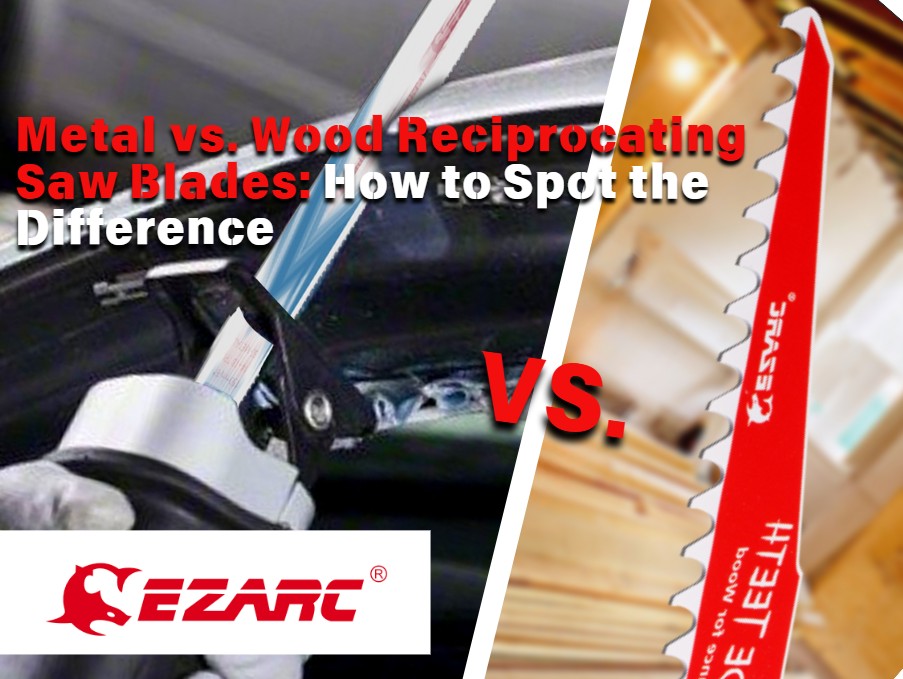
- Before You Cut: Match the Blade to the Material
- Safety Checks Before Identifying Metal vs Wood Reciprocating Saw Blades
- Step 1: Read the Label, Etching, or Packaging First
- Step 2: Use TPI to Sort Metal vs Wood Reciprocating Saw Blades
- Step 3: Inspect Tooth Spacing, Gullet Size, and Tooth Shape
- Step 4: Check Blade Material and Tooth Construction
- Step 5: Match Blade Length to Cut Depth and Access Space
- Step 6: Test on Scrap and Watch the Cut Behavior
- Step 7: Build a Small Blade Kit for Renovation Jobs
- Renovation Use Cases for Better Demolition Saw Blade Selection
- Troubleshooting Blade Choice Problems
- Final Check: Metal vs Wood Reciprocating Saw Blades
- FAQ
Before You Cut: Match the Blade to the Material
Why the blade check comes first
A reciprocating saw blade can look simple until the wrong one starts smoking, snagging, or stripping teeth halfway through a cut. That mistake costs time, ruins blades, and can make a rough renovation cut feel unsafe. Metal vs wood reciprocating saw blades differ in tooth count, tooth spacing, blade material, and the way they clear chips or control heat. Before you pull the trigger, spend 30 seconds reading the blade and matching it to the material in front of you.

What you will compare
The fastest path is not guessing by blade color. Instead, check the label, TPI, tooth shape, carbide or bi-metal marking, length, and test-cut behavior. EZARC’s featured options fit two common job-site needs: a Thick Metal/Cast Iron Cutting – Carbide, 6/9 in, 8 TPI Reciprocating Saw Blade for thick metal, cast iron, alloy steel, stainless steel, rebar, and automotive steel; and a Hard Wood Cutting – Carbide, 9/12 in, 3 TPI Reciprocating Saw Blade for oak, teak, maple, pressure-treated lumber, green wood, and heavy wood cuts.
Shop: EZARC Tools
Safety Checks Before Identifying Metal vs Wood Reciprocating Saw Blades
What to do before handling the blade
A blade choice check should happen with the saw powered off, not while you are balancing a tool near pipe, studs, or old framing. Reciprocating saws can kick, vibrate, and throw chips, so make the work area stable before you compare blades. OSHA states that hand-held reciprocating saws with blade shanks greater than one-fourth inch must have a constant-pressure control, and it also calls for eye and face protection around these saws.
- Remove the battery or unplug a corded saw before changing blades.
- Wear safety glasses or a face shield when cutting metal, wood, or mixed demolition debris.
- Use gloves when handling loose blades, sharp scrap, or hot cut material.
- Clamp loose pipe, lumber, or brackets so the blade does not shake the workpiece.
- Scan walls and floors for hidden wiring, plumbing, screws, nails, and brackets.
Why this matters
The wrong blade is not only slower; it can change how the saw behaves. A coarse wood blade on steel can chatter and lose teeth. A fine metal blade in wet lumber can clog and heat up. CDC NIOSH explains that workplace eye protection should match the hazard, including flying particles, chemicals, and other exposure conditions, which is why saw work deserves real eye protection instead of casual glasses.
Step 1: Read the Label, Etching, or Packaging First
What to do
The clearest identification usually appears before you even count teeth. Look for printed words on the blade, packaging, or product page, then confirm with TPI and tooth design. Material callouts such as metal, thick metal, cast iron, alloy steel, stainless steel, rebar, wood, pruning, nail-embedded wood, or demolition tell you the blade’s intended job.
- Put loose blades into separate bins: metal, wood, nail wood or demolition, and specialty.
- Mark unlabelled blades with a paint marker after you confirm their use.
- Do not rely on blade length alone; both metal and wood blades can come in several lengths.
- Keep damaged or missing-tooth blades out of your active kit.
Product cue
The EZARC Thick Metal/Cast Iron Cutting – Carbide, 6/9 in, 8 TPI Reciprocating Saw Blade is the metal-focused choice in this comparison. Use it when the label and job match thick metal, cast iron, alloy steel, stainless steel, rebar, or automotive steel. Its 8 TPI layout gives a more controlled bite than a coarse wood blade, which helps when hard material would otherwise shock the teeth.
Step 2: Use TPI to Sort Metal vs Wood Reciprocating Saw Blades
How TPI reveals the blade’s job
TPI means teeth per inch. It tells you how many teeth contact the material over a one-inch section of blade. Low TPI blades take bigger bites and clear wood chips quickly. Higher TPI blades take smaller bites, which helps control metal cutting because the teeth meet harder material with less shock per tooth.
- 3–5 TPI: fast wood, pruning, rough lumber, and aggressive chip removal.
- 6–10 TPI: thick metal, cast iron, rebar, alloy steel, and heavy metal demolition.
- 10+ TPI: thin metal, sheet metal, conduit, and cleaner cuts in lighter material.
- Too low for metal: teeth can catch, skip, or strip.
- Too high for wood: gullets can clog with sawdust and slow the cut.
Product cue
The EZARC Hard Wood Cutting – Carbide, 9/12 in, 3 TPI Reciprocating Saw Blade is easy to identify because the tooth count is intentionally coarse. Its 3 TPI design, large spacing, and deep gullets help clear chips from dense hardwoods such as oak, teak, and maple. Use this style when your job is thick lumber, beams, green wood, or pressure-treated wood, not steel pipe or rebar.
Step 3: Inspect Tooth Spacing, Gullet Size, and Tooth Shape

What to look for
After the label and TPI, inspect the tooth pattern. Wood blades usually look open and aggressive because they need room to carry sawdust out of the kerf. The kerf is the slot made by the blade. Metal blades look tighter and more controlled because they need to reduce grabbing, heat buildup, and tooth impact.
- Wood blade: large teeth, wide spacing, deep gullets, fast rough cutting.
- Metal blade: smaller teeth, closer spacing, smoother feed, less aggressive bite.
- Hard wood carbide blade: coarse teeth with durable tips for dense wood.
- Thick metal carbide blade: controlled tooth layout for harder, abrasive material.
Common mistake
Many DIY users assume a “demolition” blade can cut everything well. In reality, demolition saw blade selection depends on what is inside the wall, deck, or fixture. If you are cutting clean hardwood, use a wood blade. If you hit pipe, rebar, or steel brackets, switch to a reciprocating saw blade for metal. If the material is mixed with nails or unknown fasteners, choose a blade rated for nail-embedded wood or mixed demolition.
Step 4: Check Blade Material and Tooth Construction
Why carbide matters for tough cuts
Blade material is not just a premium label; it affects heat resistance, tooth life, and whether the blade survives dense or abrasive material. High carbon steel can work for soft wood. Bi-metal blades add flexibility and durability for general cutting. Carbide reciprocating saw blades are useful when ordinary teeth wear quickly in thick metal, cast iron, hard wood, or demanding demolition tasks.
- Carbide-tipped teeth: better for hard, abrasive, or long cutting sessions.
- Bi-metal construction: flexible and useful for many general metal or demolition cuts.
- High carbon steel: common for clean wood and lighter-duty work.
- Precision-ground teeth: improve durability and help the blade track more predictably.
What to watch
For the best reciprocating saw blade for steel pipe and rebar, look for a metal-rated carbide or bi-metal blade, controlled TPI, and a length that clears the wall of the pipe through the full stroke. For hard wood, look for coarse teeth and chip space. If you see blue heat marks, missing teeth, or heavy chatter, stop and reassess before forcing the cut.
Step 5: Match Blade Length to Cut Depth and Access Space
What to do
A blade should extend beyond the material through the full stroke, but it should not be so long that it whips, bends, or slaps nearby surfaces. Shorter blades improve control in tight areas. Longer blades help when you need to reach through beams, posts, pipe, or thick stock.
- Use 6-inch blades for tighter metal access when the material depth allows it.
- Use 9-inch blades for more reach through pipe, heavy brackets, or thicker stock.
- Use 12-inch wood blades for deep cuts in posts, beams, and large lumber.
- Keep at least a small amount of blade visible beyond the far side during the stroke.
- Avoid using extra length just because it is available.
Scenario checks
For plumbing repair, choose enough blade length to clear the pipe wall without bottoming out against nearby framing. For deck demolition, a longer reciprocating saw blade for wood helps reach through joists, posts, and pressure-treated lumber. For cabinet removal, a shorter blade gives better control around wall surfaces, hidden screws, and trim.


Step 6: Test on Scrap and Watch the Cut Behavior
What to do
A short test cut can confirm what the label and TPI suggest. Use scrap that matches the real material whenever possible. Let the saw reach speed, then feed steadily without forcing the blade. The cut should feel predictable, not violent, smoky, or stalled.
- Correct metal blade: steady feed, controlled vibration, manageable heat.
- Wrong blade for metal: heavy chatter, sparks, blue marks, missing teeth.
- Correct wood blade: quick chip clearing, strong bite, no constant clogging.
- Wrong blade for wood: smoke, slow progress, packed gullets, rough vibration.
- Mixed material: pause when the sound or resistance changes.
What to watch
Metal cutting often benefits from slower, steadier feed pressure than rough wood cutting. If the teeth bounce on steel, keep more teeth engaged and choose a tighter metal blade. If a fine blade crawls through lumber, the teeth may be too small and the gullets too shallow for sawdust. In renovation work, the test cut is often the moment that tells you whether the material is clean wood, hidden metal, or a mixed demolition problem.
Step 7: Build a Small Blade Kit for Renovation Jobs
Which blades to keep ready
A good home improvement kit prevents the habit of forcing one blade through every material. You do not need a huge case for basic renovation work, but you do need clear roles. Label each blade slot by material so you can switch quickly when moving between drywall openings, studs, brackets, pipe, rebar, and old framing.
- Thick-metal blade for pipe, rebar, cast iron, alloy steel, and brackets.
- Coarse wood blade for hardwood, beams, green wood, and pressure-treated lumber.
- Nail-embedded wood or demolition blade for old framing with fasteners.
- Fine-tooth thin-metal blade for conduit, sheet metal, and cleaner light-metal cuts.
- Spare blades for the materials you cut most often.
EZARC setup direction
For recommended reciprocating saw blades for home improvement, pair the EZARC 8 TPI carbide thick-metal blade with the EZARC 3 TPI carbide hard-wood blade. That two-blade core covers many common renovation decisions: controlled cutting in steel, cast iron, rebar, and alloy steel on one side; aggressive chip removal in dense wood on the other. Add a nail-embedded wood blade when you expect old studs, screws, or mixed debris.
Renovation Use Cases for Better Demolition Saw Blade Selection
Steel pipe, rebar, and brackets
Choose a reciprocating saw blade for metal when the material is hard, dense, or abrasive. Steel pipe and rebar punish coarse wood teeth because the tooth tips hit hard material with too much bite. A carbide metal blade with controlled TPI is the better direction for pipe repair, automotive steel, brackets, heavy hangers, and cast-iron removal.
Hardwood beams and thick lumber
For hardwood beams, tree limbs, deck posts, and pressure-treated lumber, use a reciprocating saw blade for wood with fewer teeth per inch. The goal is to clear chips, not polish the cut. A 3 TPI carbide wood blade is a strong choice when dense wood makes ordinary blades feel slow or dull.
Unknown fasteners in old framing
Old framing can hide nails, screws, straps, and brackets. If you are not sure what is inside the material, do not treat it like clean wood. Use a demolition or nail-embedded wood blade for mixed framing, then switch to a metal blade if you discover pipe, rebar, or heavy steel.
Troubleshooting Blade Choice Problems
Quick diagnosis table
When the saw feels wrong, stop and read the cut. Smoke, chatter, skipping, and slow feed usually point to a blade mismatch, poor support, or too much pressure. Use the table below to narrow the cause before you ruin another blade.
| Problem | Likely Cause | Fix |
| Blade smokes in wood | Teeth too fine | Switch to lower TPI |
| Blade skips on metal | Too few teeth engaged | Use tighter metal blade |
| Teeth strip quickly | Wood blade on steel | Switch to carbide metal |
| Cut feels slow in hardwood | Gullets too small | Use coarse 3 TPI blade |
| Blade bends or slaps | Too long or unsupported | Shorten blade, clamp work |
Fix the setup, not only the blade
If the correct blade still cuts poorly, check the saw and workpiece. Loose material can vibrate harder than the blade can cut. A dull blade can look correct but behave badly. Excess pressure can overheat metal teeth or pack wood gullets. Let the saw stroke do the work, keep the shoe near the material, and change blades before the cut becomes a fight.
Final Check: Metal vs Wood Reciprocating Saw Blades
Key takeaway before buying or cutting
The easiest way to spot metal vs wood reciprocating saw blades is to check the label first, then confirm with TPI, tooth spacing, gullet size, blade material, length, and test-cut behavior. Wood blades usually have fewer teeth and deeper gullets for fast chip removal. Metal blades usually have closer teeth and tougher construction for heat, impact, and abrasion.
Next action
Keep separate blades for metal, clean wood, hard wood, and mixed demolition. For tough metal, cast iron, rebar, alloy steel, and hard wood projects, compare EZARC carbide reciprocating saw blades by material, TPI, and blade length before you start. That habit saves blades, keeps cuts more predictable, and helps your renovation workflow move without unnecessary rework.
FAQ
How to tell if reciprocating saw blade is for metal?
A reciprocating saw blade is usually for metal if the marking names metal, steel, stainless steel, cast iron, pipe, rebar, or alloy steel. It also tends to have closer tooth spacing than a rough wood blade, often in the 6–10 TPI range for thick metal or higher for thin metal. For thick metal, EZARC’s 8 TPI carbide reciprocating saw blade is the relevant product direction because it targets thick metal, cast iron, alloy steel, stainless steel, rebar, and automotive steel.
recommended reciprocating saw blades for home improvement
For thick metal, 6–10 TPI is a practical starting range because it gives the teeth enough strength and control for hard material. Thin metal often needs 10+ TPI so more teeth stay engaged and the blade does not snag. If you are cutting rebar, cast iron, or heavy steel, choose a metal-rated carbide or bi-metal blade instead of a coarse 3 TPI wood blade.
Which reciprocating saw blades are best for cutting steel pipes and rebar?
For fast rough wood cutting, 3–5 TPI works well because the large gullets clear sawdust and chips quickly. A 3 TPI blade is especially useful for dense hardwood, beams, green wood, and pressure-treated lumber where fine teeth clog or burn time. EZARC’s 3 TPI carbide hard-wood blade fits that role when you need aggressive cutting in tough wood rather than a clean finish cut.
Which reciprocating saw blades are best for cutting steel pipes and rebar?
The best blades for steel pipes and rebar are metal-rated carbide or bi-metal reciprocating saw blades with controlled tooth spacing. A coarse wood blade can skip, overheat, or strip teeth when it hits hard steel. From the featured EZARC lineup, the 8 TPI carbide thick-metal blade is the clearest fit for rebar, cast iron, stainless steel, alloy steel, and automotive steel.
Which reciprocating saw blades are best for demolition work?
Demolition work needs blades matched to the material inside the cut, not just one general blade for everything. Use metal blades for pipe, rebar, brackets, and cast iron; use coarse wood blades for lumber, beams, and hardwood; and use nail-embedded wood blades for mixed framing. If the demolition task involves hard wood, EZARC’s 3 TPI carbide wood blade is the better direction, while thick metal calls for the EZARC 8 TPI carbide metal blade.
Can I use one reciprocating saw blade for both wood and metal?
You can use some general-purpose or demolition blades across mixed materials, but one blade will not be ideal for every cut. Wood needs open teeth and deep gullets, while metal needs tighter tooth engagement and better heat resistance. For cleaner workflow, keep at least one metal blade, one coarse wood blade, and one mixed-material demolition blade in your kit.