
 Oscillating Multi-Tool Blades
 Reciprocating Saw Blades
 Cutting & Grinding
 Hole Saw
 Drilling
 Sanding & Polishing
 Socket & Driver Set
 Hand Tools
 Metal Worker & Fabrication
 Woodworking & Carpentry
 Electrical & Plumbing
 Automotive
 Concrete & Masonry
 Demolition
 NEW ARRIVALS
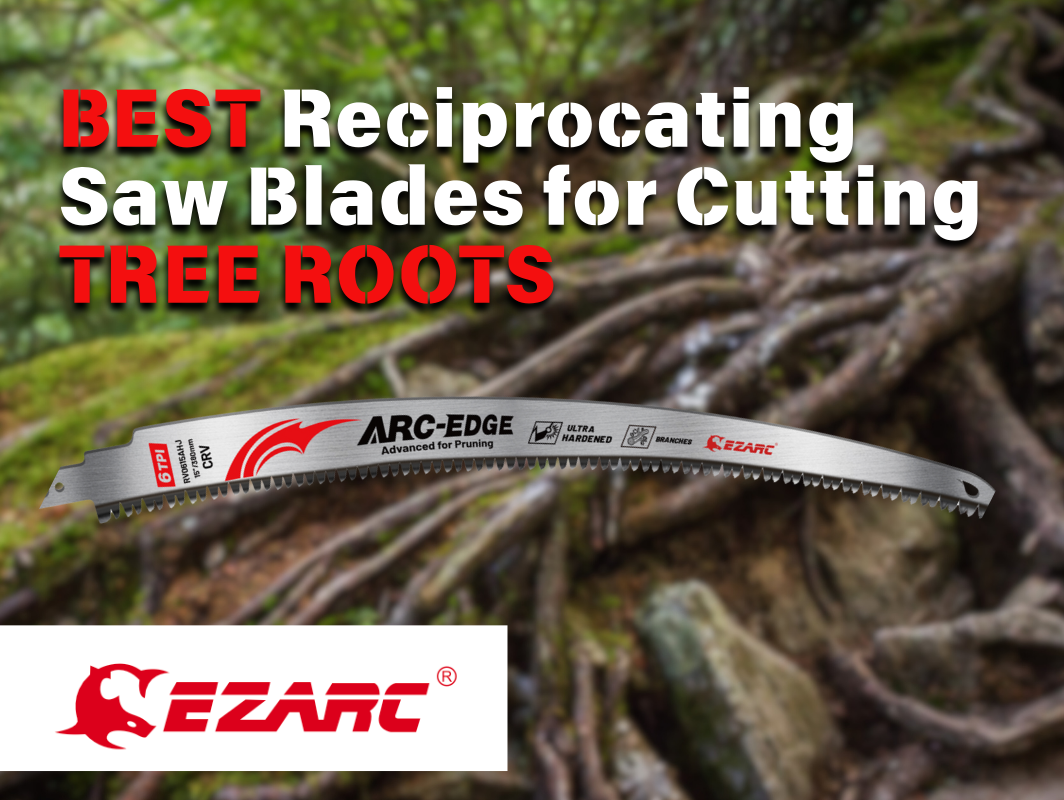
When you’re tackling stubborn root systems below ground, nothing transforms a back-breaking job into a satisfying win like the right reciprocating saw blades. At EZARC Tools, we know that powerful tools paired with premium blades redefine your expectations of performance and durability. Whether it’s digging out gnarly roots that threaten your driveway or trimming buried tree roots that interfere with landscaping projects, choosing the best reciprocating saw blades for tree roots makes all the difference.
In this guide, we break down what makes great blades, how to choose them, and why certain designs outperform others in tough soil conditions. By the end of this article, you’ll be equipped with the knowledge to cut smarter, not harder.
- 1. Why Quality Reciprocating Saw Blades Matter for Tree Roots
- 2. What to Look for in Reciprocating Saw Blades for Roots
- 3. Top Recommended Reciprocating Saw Blade for Tree Roots
- 4. How to Choose the Right Blade for Your Project
- 5. Tips for Cutting Tree Roots with Reciprocating Saw Blades
- 6. Extra Uses for Reciprocating Saw Blades
- 7. Why EZARC Tools Are Trusted by Pros and DIYers
- 8. Expert Blade Recommendations by Application
- 9. Final Thoughts
Why Quality Reciprocating Saw Blades Matter for Tree Roots
Root systems are deceptive. Above ground, a root might look manageable, but below the soil, it can be thick, tough, and intertwined with rocks and dirt. Attempting to remove them with ordinary blades can lead to:
- Blunt teeth and excessive wear
- Frequent breakage
- Poor cutting speed
- Frustration and wasted time
This is exactly where investing in the best reciprocating saw blades for tree roots pays off. A blade engineered for roots and wood delivers cleaner cuts and longer service life, saving you effort and money while protecting your saw.
Increasingly, professionals and serious DIYers alike choose reciprocating saws because of their versatility. With the right blade, you can switch from pruning wood to tackling tree roots under the ground.
What to Look for in Reciprocating Saw Blades for Roots
Before we dive into top options, let’s review what makes a blade stand out for serious root cutting:
1. Tooth Design and TPI (Teeth Per Inch)

Reciprocating saw blades vary in tooth spacing. For roots, a lower TPI (typically 6–10 TPI) is ideal because it removes material quickly, reduces clogging, and expedites cutting through fibrous root tissue.
2. Material and Durability
Root cutting demands blades made from materials like high-carbon steel (HCS), bi-metal, or those with hardened teeth. These materials resist wear and tolerate impacts from rocks and grit in the soil.
3. Length and Flexibility
Longer blades give you reach beneath the surface, while a mix of stiffness and flexibility helps maintain control through tough cuts. Too rigid and the blade snaps; too flexible and it stalls.
4. Corrosion Resistance
Working in moist soil exposes blades to corrosion. A coating or corrosion-resistant material helps maintain performance over repeated use.
Top Recommended Reciprocating Saw Blade for Tree Roots
While many blades are marketed for wood or demolition work, only a few consistently deliver when roots are involved. Let’s highlight a standout that’s earned praise from landscapers and arborists alike.
EZARC Japanese Teeth Reciprocating Saw Blade – 15-inch, 6 TPI (3-Pack)
For serious root cutting, the EZARC Japanese Teeth Reciprocating Saw Blade is a game changer. Designed for aggressive performance and long life, this blade is purpose-built to tackle wood and root systems with precision.
Why It’s One of the Best Reciprocating Saw Blades for Tree Roots:
- Japanese-style teeth cut through wood fibers quickly and smoothly, minimizing binding or chipping.
- The 15-inch length extends your reach deep into the soil without straining your arms.
- With 6 TPI, it balances speed and control, which is ideal for larger roots that frustrate higher-TPI blades.
- High-strength construction resists wear even when encountering rocks or gritty soil.
This blade isn’t just another accessory, it’s a tool upgrade that turns a brute, time-consuming chore into an efficient, precise task.
How to Choose the Right Blade for Your Project
With so many options available, the selection process can feel overwhelming. Follow these best practices to ensure success:
Match the Blade to the Root Size
Small, fibrous roots can be cut with shorter blades and slightly higher TPI, while thick, woody roots demand low TPI and longer blades like the EZARC Japanese Teeth model.
Consider Soil Conditions
If your roots are buried in rocky or abrasive soil, choose blades with tougher materials and corrosion resistance.
Think About Your Saw
Reciprocating saws like the Dewalt Sawzall, Milwaukee, or Bosch all perform reliably when paired with quality blades. Just ensure the blade’s shank is compatible with your saw’s universal fit.
If you need help understanding blade types and compatibility, our comprehensive guide on blade selection is a must-read:
https://www.ezarctools.com/blogs/blog/how-to-select-the-right-sawzall-blade-ezarc-tools-guide-bf2c15-1405
Tips for Cutting Tree Roots with Reciprocating Saw Blades
Getting the blade right is half the job, the other half is technique. Here are best practices to increase cutting speed and blade life:

1. Start with a Pilot Cut
Cut into the root slightly at an angle before committing to a full vertical cut. This reduces blade stress and gives a cleaner entry.
2. Keep the Blade Clean
Roots carry dirt and moisture that clog teeth. Periodically clear debris from the blade to maintain sharpness and cutting efficiency.
3. Use Smooth, Controlled Strokes
Avoid forcing the blade. Let its teeth do the work. Pressing too hard increases the risk of breakage and premature wear.
4. Replace When Dull
A dull blade costs you time and effort. Replace blades at the first sign of excessive friction or burning.
Extra Uses for Reciprocating Saw Blades
One of the biggest advantages of reciprocating saw blades is their versatility. Once you’ve cut through tree roots, the same blades often work well for:
- Trimming branches and pruning wood
- Cutting PVC or metal with specialized blades
- Demolition work involving framing or lumber
- Landscaping tasks that mix wood and compressed material
This adaptability makes investing in quality blades. A smart strategy for any workshop or toolbox.


Why EZARC Tools Are Trusted by Pros and DIYers
At EZARC, our goal is simple: deliver tools that outperform expectations while remaining affordable and reliable. When it comes to reciprocating saw blades, we engineer for real-world use cases, not just specs on a box.
Here’s what sets us apart:
- Industry-tested designs that prioritize performance over gimmicks.
- Wide compatibility with major saw brands and models.
- Durability that stands up to tough materials, including roots and wood.
- Customer-centric service and fast shipping, so you get what you need when you need it.
Don’t settle for blades that wear out after one tough job. Equip yourself with blades that are ready the moment you are.
Expert Blade Recommendations by Application
Below is a quick reference table to help match blade choices to your specific cutting needs:
| Cutting Task | Best Blade Features | Suggested Blade Type |
| Tree roots (large) | Long length, low TPI | EZARC Japanese Teeth 15” 6 TPI |
| Tree roots (small/medium) | Moderate length, balanced TPI | 9–12” low-TPI wood blades |
| Mixed wood & dirt | Bi-metal strength | Bi-metal demolition blades |
| Outdoor pruning | Coated for corrosion | Pruning-specific wood blades |
Final Thoughts
Choosing the best reciprocating saw blades for tree roots isn’t just about picking the longest or most expensive blade, it’s about understanding your task, your saw, and how blade design influences performance. From tooth geometry to material toughness, every detail matters.
Equip better. Cut smarter. Finish faster. That’s the EZARC difference.


댓글 남기기
이 사이트는 hCaptcha에 의해 보호되며, hCaptcha의 개인 정보 보호 정책 과 서비스 약관 이 적용됩니다.