
 Connexion

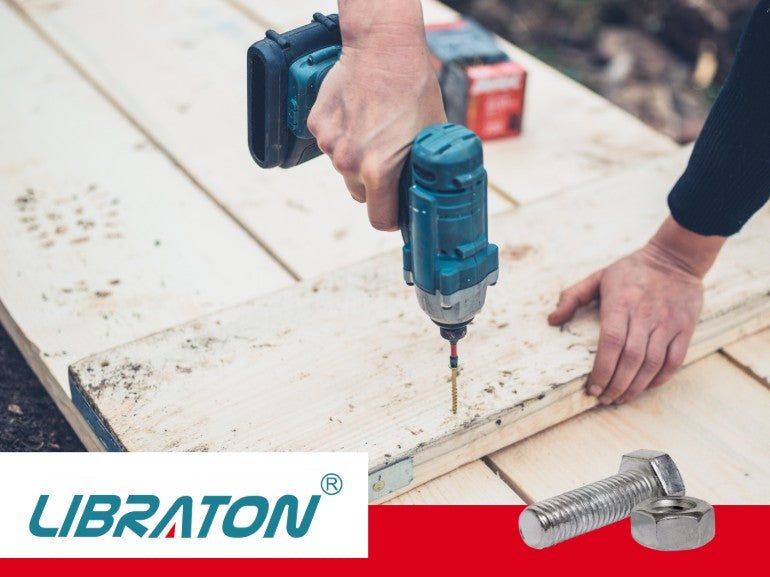
When tackling DIY home repairs, automotive maintenance, or outdoor equipment servicing, removing rusted or tight nuts and bolts manually can be frustrating. Many home DIYers and workshop owners wonder if they can use their standard 1/4-inch hex impact driver instead of pulling out a heavy manual wrench.
The short answer is yes: an impact driver can effectively remove many light-to-medium hex nuts and bolts when paired with the right accessories. Equipping your power tool with specialized nut driver bits transforms it into a fast, convenient fastening solution. In this guide, we will cover how impact drivers perform during bolt removal, when to use them, and essential tips for protecting your hardware during maintenance tasks.
How an Impact Driver Removes Hex Hardware
Unlike standard continuous-rotation drills, an impact driver uses a rapid hammer-and-anvil rotational mechanism. When the tool senses resistance while turning a bolt, internal hammers deliver thousands of high-frequency rotational taps per minute.
This rotational tapping action offers clear advantages during disassembly:
- Breaks Initial Resistance: The rapid tapping helps break loose stubborn threads, light surface rust, or dried paint on fastener heads.
- Reduces Wrist Strain: Because the force is delivered in rapid micro-impacts rather than continuous torque, the tool transfers significantly less kickback to your hands and wrists.
- Speeds Up Repetitive Removal: Once the fastener is loosened, the high rotational speed allows you to back out long threaded bolts in seconds.
Proper size selection and good socket engagement help reduce movement and improve control during fastening, ensuring that rotational force transfers smoothly onto the hex flats.
What Types of Nuts and Bolts Can You Remove?
While an impact driver is a versatile power tool, understanding its limits helps you avoid damaging small hardware or over-taxing the motor.
Ideal Applications for Impact Driver Removal
- Sheet Metal Screws and Hex Bolts: HVAC ducting, metal roofing, gutters, and outdoor shed assembly panels.
- Appliance and Equipment Covers: Lawn mower engine shrouds, generator access panels, washing machine backing plates, and cabinet brackets.
- Automotive Maintenance: License plate brackets, battery hold-down clamps, hose clamps, and interior trim bolts.
- Furniture and Shelving: Disassembling metal garage racks, patio sets, and bed frames fitted with metric or SAE hex hardware.
When to Use Manual Tools or Impact Wrenches Instead
For heavy-duty structural applications, such as removing lawn mower blade bolts, automotive lug nuts, or seized suspension components, dedicated heavy-duty impact wrenches or manual breaker bars remain the best choice. Nut drivers on 1/4-inch impact drivers excel at light-to-medium maintenance, rapid disassembly, and everyday home repairs rather than high-torque structural applications.
Essential Steps for Removing Fasteners Safely
Follow these simple operational steps to ensure smooth hardware removal and protect your driver bits from unnecessary wear:
Step 1: Clean the Fastener Head
Lawn mowers, outdoor machinery, and car underbodies accumulate mud, grass, and grime. Use a small wire brush or rag to clear dirt out of the hex profile so your socket bit seats completely down onto the bolt head.
Step 2: Match the Exact Driver Size
Always verify whether the hardware is SAE (Imperial) or Metric before pulling the trigger. Using an 8mm bit on a 5/16-inch bolt or a 10mm bit on a 3/8-inch bolt creates clearance that can round off fastener corners. Selecting the exact matching size ensures full surface contact.
Step 3: Apply Firm Forward Pressure
Insert the bit into your impact driver’s quick-release hex collet. Align the tool straight over the bolt head, apply steady forward pressure toward the fastener, and gently squeeze the variable speed trigger to begin unthreading.
Key Features of a Reliable Nut Driver Set
To handle a wide array of disassembly projects around your home or workshop, choose a multi-piece bit kit built with practical features:
- 1/4-Inch Universal Hex Shank: Allows nut driver bits to drop directly into impact drivers, cordless drills, or quick-change hand tools without needing special chuck adapters.
- Complete SAE and Metric Coverage: A complete set with SAE sizes (3/16 in to 9/16 in) and Metric sizes (6mm to 14mm) ensures you are ready for domestic and imported hardware.
- 6-Inch Long Reach Design: Extended driver shafts help you reach deeply set bolts hidden inside car engine bays, generator frames, or HVAC ductwork without awkward extensions.
- Durable Chrome Vanadium (Cr-V) Steel: Forged Cr-V steel construction delivers excellent toughness and wear resistance for daily maintenance tasks, home repair, and light professional applications.
- Built-in Magnetic Assistance: Internal magnetic tips help hold nuts and small bolts securely inside the socket during removal, reducing dropped hardware in tight or overhead spaces.
- Organized Storage Case: A sturdy blow-molded storage box keeps all your nut driver bits labeled and organized so you can quickly pick the right size.
Comparing Nut Drivers with Traditional Impact Sockets
Understanding how different power tool accessories function helps streamline your tool choices:
| Feature / Aspect | Magnetic Nut Drivers | Traditional Impact Sockets |
| Shank / Drive Type | 1/4 in Hex Shank | 3/8 in or 1/2 in Square Drive |
| Primary Power Tool | 1/4 in Impact Driver or Drill | 3/8 in or 1/2 in Impact Wrench |
| Ideal Fastener Sizes | Small-to-medium hex nuts (up to 14mm / 9/16 in) | Large structural bolts and lug nuts |
| Fastener Retention | Built-in magnetic tips hold hardware | Friction ring or ball detent on drive anvil |
| Primary Strength | Speed, accessibility, and light maintenance | Maximum torque resistance for heavy bolts |
Maintenance Guidelines for Your Driver Accessories
To keep your nut driver bits performing smoothly over years of use, follow these quick maintenance practices:
- Clear Iron Filings from Magnets: Metal dust can collect inside magnetic sockets over time. Use compressed air or adhesive tape to clean out the socket interior periodically.
- Store Dry: Wipe down bits with a shop rag after working outdoors to remove moisture, grease, or dirt before returning them to their blow-molded storage case.
- Avoid Over-Torquing Seized Fasteners: If a bolt refuses to budge under light impact action, apply penetrating oil or switch to a manual socket wrench to break the initial rust bond safely.


Summary
An impact driver is an excellent power tool for removing nuts and bolts quickly across a wide range of home repair and maintenance tasks. By pairing your power tool with quality nut driver bits, selecting the exact matching size, and utilizing magnetic tips for tight spaces, you can make disassembly projects faster, cleaner, and more convenient.