
 Cuchillas Oscilantes Multiherramienta
 Hojas de sierra recíproca
 Corte y Esmerilado
 Sierra de corona
 Perforación
 Lijado y pulido
 Juego de vasos y llaves de vaso
 Herramientas Manuales
 Trabajador de metal y fabricación
 Carpintería
 Electricidad y fontanería
 Automotriz
 Hormigón y Albañilería
 Demolición
 NUEVAS LLEGADAS
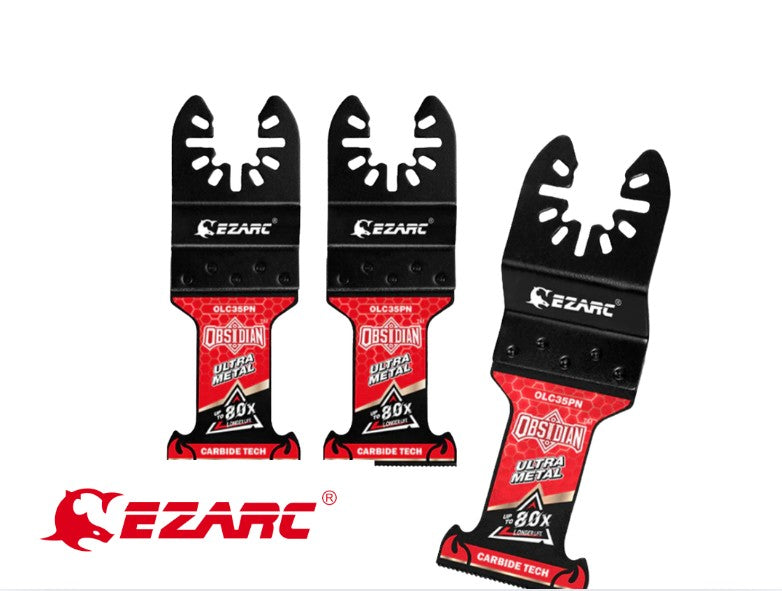
Buying a replacement oscillating tool blade can feel like a guessing game. You grab heavy-duty cutters and rush home. You open your tool and find the hole does not align. Every DIYer and professional has experienced this frustrating scenario.
Multiple brands and proprietary standards flood the market. Understanding accessory compatibility is crucial. The debate lies between universal fit and Starlock standards. Compatibility determines if your project succeeds or stalls. Knowing your tool's interface is essential. We will break down the differences between these systems. We will explore pros and cons to help you choose.
The Evolution of Multi-Tool Connection Systems
Accessory interchangeability was messy for years. Brands used proprietary pins and unique hole patterns. This locked users into buying from the original manufacturer. Fein owners bought Fein accessories. Bosch owners bought Bosch.
Eventually, consumer demand for flexibility led to the creation of universal mounting patterns featuring open-back slots. This innovation allowed a single oscillating tool blade to fit across multiple tool brands without restriction. However, manufacturers later introduced the Starlock system to maximize torque transfer and speed up accessory changes, creating a split market. Understanding how these systems differ saves you from purchasing incompatible gear.
Universal Fit Oscillating Tool Blade Systems Explained
Universal fit attachments use an open-back slot or multi-hole arbor. These slip onto the mounting pin. They do not require a full click-in mechanism.
- How They Work: You loosen the tool's clamping nut or lever, slide your chosen oscillating tool blade onto the anchor pins or spindle, and tighten it down securely. Universal systems mean every standard oscillating tool blade slips easily onto older or multi-brand machines.
- Brand Compatibility: Universal systems fit the vast majority of brands on the market, including Milwaukee, Ryobi, Makita, DeTools, Craftsman, Rockwell, Black & Decker, Porter-Cable, and older Bosch models.
-
Key Advantages:Affordability: Universal accessories are widely mass-produced, making any replacement oscillating tool blade significantly cheaper than proprietary alternatives.Availability: You can find compatible attachments at almost any hardware store or online retailer.Brand Independence: You are not locked into a single ecosystem; one brand of accessory works across almost all your tools.
- Affordability: Universal accessories are widely mass-produced, making any replacement oscillating tool blade significantly cheaper than proprietary alternatives.
- Availability: You can find compatible attachments at almost any hardware store or online retailer.
- Brand Independence: You are not locked into a single ecosystem; one brand of accessory works across almost all your tools.
The Starlock System Explained
Bosch and Fein introduced Starlock. It is a premium quick-change interface. It eliminates loose fits and maximizes power transfer to the accessory.
- How They Work: Instead of sliding an open slot over a bolt, Starlock accessories feature a 3D star-shaped hub that snaps directly into a compatible multi-tool chuck. Changing an oscillating tool blade takes less than three seconds via a lever-operated release mechanism with zero tools required, making swapping your preferred oscillating tool blade effortless on job sites.
-
The Tiered Hierarchy:Starlock: Standard version for regular multi-tools.StarlockPlus: Heavy-duty version designed for more demanding cuts, deep plunges, and high-torque applications.StarlockMax: Industrial-grade version built for heavy timber, thick steel, and extreme structural demolition.
- Starlock: Standard version for regular multi-tools.
- StarlockPlus: Heavy-duty version designed for more demanding cuts, deep plunges, and high-torque applications.
- StarlockMax: Industrial-grade version built for heavy timber, thick steel, and extreme structural demolition.
-
Key Advantages:Maximum Torque Transfer: The 3D star shape locks tightly, eliminating wobbling or slipping.Lightning-Fast Changes: Tool-free snap-in mechanisms streamline workflow.
- Maximum Torque Transfer: The 3D star shape locks tightly, eliminating wobbling or slipping.
- Lightning-Fast Changes: Tool-free snap-in mechanisms streamline workflow.
Direct Comparison: Universal vs Starlock
| Feature | Universal Fit Systems | Starlock Systems |
| Mounting Style | Open-back slot / Multi-hole arbor | 3D Star-shaped hub snap-in |
| Tool Compatibility | Fits almost all major brands (Milwaukee, Ryobi, Makita, etc.) | Restricted to Starlock-compatible tools (Bosch, Fein, selected modern units) |
| Change Speed | Requires loosening a clamping nut or lever | Tool-free snap-in under 3 seconds |
| Power Transfer | Good, but can slip under extreme load | Exceptional, zero-play 3D locking |
| Cost & Availability | Highly affordable and widely available | Premium price point, specialized inventory |
Why Universal Fit Still Dominates the Market
Universal fit accessories still dominate job sites worldwide. For most users, flexibility and cost savings are key. These outweigh the convenience of click-in systems. Checking arbor compatibility ensures smooth operation.
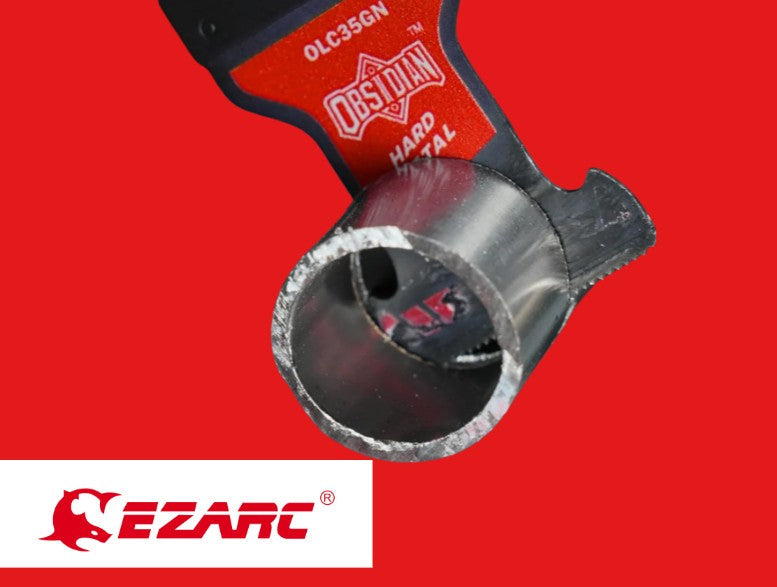
EZARC delivers industrial performance using universal systems. The EZARC Obsidian Carbide oscillating tool blade fits most brands. It fits Milwaukee, Ryobi, Fein, Rockwell, and Craftsman. It stays accessible to non-Starlock users. (Note: Starlock-exclusive tools cannot accept open-back universal accessories).
Conclusion
Choice depends on your tool and budget. Starlock accessories deliver unbeatable torque for Bosch or Fein machines. For Milwaukee, Ryobi, or DeWalt, use a universal oscillating tool blade. This offers the best versatility and value.
Understand these differences and keep a reliable oscillating tool blade ready. You will never waste money on accessories that do not fit.

Dejar un comentario
Este sitio está protegido por hCaptcha y se aplican la Política de privacidad de hCaptcha y los Términos del servicio.