
 Iniciar sesión

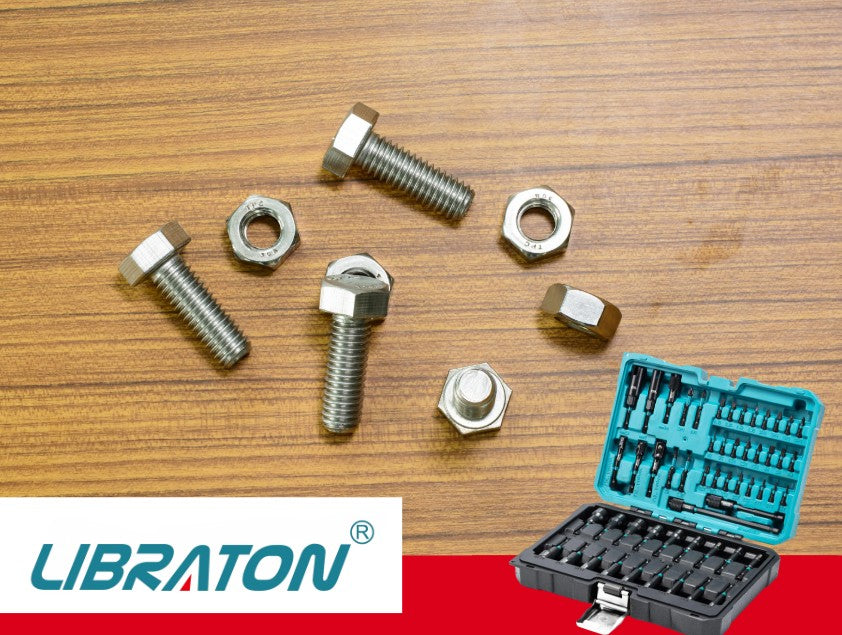
When working on home maintenance, HVAC equipment, furniture assembly, or auto repairs, hex head screws and bolts are everywhere. Having the right driver bit saves time and prevents annoying slips that can mar hardware or slow down your project. Because fasteners come in both SAE (Imperial) and Metric dimensions, knowing exactly which driver size corresponds to a given bolt head is essential for smooth operation.
To help you quickly match your tools to everyday hardware, having a handy nut driver size chart nearby makes choosing the correct bit straightforward. In this guide, we will break down standard hex screw dimensions, explain how size matching works, and provide clear reference tables for common household and workshop projects.
- 1. Understanding Nut Driver Sizes and Fastener Measurement
- 2. Standard SAE Nut Driver Size Chart
- 3. Standard Metric Nut Driver Size Chart
- 4. How to Choose the Right Nut Driver Set for Your Workshop
- 5. When to Use a Nut Driver vs. Sockets or Wrenches
- 6. Practical Maintenance Tips for Nut Driver Bits
- 7. Summary
Understanding Nut Driver Sizes and Fastener Measurement
A nut driver is measured by the interior width across the flats of its socket, which corresponds directly to the distance across the outer parallel flats of a hex bolt or nut. Using the exact matching size ensures full surface contact around the fastener head.
Proper size selection and good socket engagement help reduce unwanted movement and improve control during fastening. When you use a driver that is slightly too large, the socket rests only on the outer corners of the hex head, which increases the risk of slipping or rounding off softer metal fasteners over time.
Standard driver sizes fall into two primary unit systems:
- SAE (Society of Automotive Engineers): Standard fractional inch measurements used heavily in domestic North American products, HVAC systems, building hardware, and older lawn equipment. Common sizes range from 3/16 inch up to 9/16 inch.
- Metric: Millimeter measurements used on modern imported vehicles, electronics, furniture, and international appliances. Standard sizes range from 6mm up to 14mm.
Standard SAE Nut Driver Size Chart
For domestic projects, electrical boxes, sheet metal work, and light mechanical assemblies, fractional inch sizes are the standard. Below is a practical SAE nut driver size chart showing common hex bolt threads and their matching driver socket sizes.
| Hex Fastener Type / Thread Size | Standard Hex Head Size | Recommended SAE Nut Driver | Common Applications |
| #4 Machine Screw / Sheet Metal Screw | 3/16 in | 3/16 in | Electronics, small appliances, switch plates |
| #6 Sheet Metal Screw | 1/4 in | 1/4 in | HVAC ductwork, light fixtures, electrical boxes |
| #8 Sheet Metal Screw | 1/4 in or 5/16 in | 1/4 in or 5/16 in | Gutters, cabinet hardware, metal framing |
| #10 Sheet Metal / Machine Screw | 5/16 in | 5/16 in | Appliance panels, lawn mower shrouds, duct straps |
| #12 Sheet Metal Screw | 5/16 in or 3/8 in | 5/16 in or 3/8 in | Heavy metal brackets, garage door tracks |
| 1/4 in Standard Hex Bolt (UNC/UNF) | 7/16 in | 7/16 in | Wood framing anchors, outdoor furniture, lawn equipment |
| 5/16 in Standard Hex Bolt | 1/2 in | 1/2 in | Equipment mounting, trailer frames, machinery covers |
| 3/8 in Standard Hex Bolt | 9/16 in | 9/16 in | Heavy structural mounts, automotive brackets |
Referring to an SAE nut driver size chart ensures you quickly identify whether a 1/4 inch or 5/16 inch driver is required for everyday sheet metal screws without trial and error.
Standard Metric Nut Driver Size Chart
Modern equipment and imported household goods overwhelmingly use metric hex hardware. The table below serves as a quick reference metric nut driver size chart for identifying common ISO metric bolts and screw threads.
| Metric Thread Size (ISO) | Standard Hex Head Across Flats | Recommended Metric Nut Driver | Common Applications |
| M3 Bolt | 5.5 mm | 5.5 mm or 6 mm | 3D printers, computer cases, small electronics |
| M4 Bolt | 7 mm | 7 mm | Small home appliances, lighting brackets |
| M5 Bolt | 8 mm | 8 mm | Automotive trim, bicycles, patio furniture |
| M6 Bolt | 10 mm | 10 mm | Car battery terminals, motorcycle covers, furniture |
| M8 Bolt | 13 mm (or 12 mm) | 13 mm (or 12 mm) | Lawn tractor frames, engine brackets, heavy shelving |
| M10 Bolt | 16 mm or 17 mm | 16 mm or 17 mm | Automotive suspension, heavy equipment |
Having both metric and fractional options available in your toolkit ensures you never have to force a near-match bit onto a fastener.
How to Choose the Right Nut Driver Set for Your Workshop

Instead of purchasing individual drivers as projects come up, selecting a versatile multi-piece kit offers better long-term value and convenience. Here are key features to look for when choosing a comprehensive set:
1. Comprehensive SAE and Metric Coverage
A complete set featuring both standard SAE sizes (such as 3/16 in through 9/16 in) and Metric sizes (from 6mm to 14mm) ensures you are prepared for home repairs, maintenance tasks, and light professional applications.
2. Standard and Extended Shaft Lengths
While standard bits work well for open work areas, deep recesses inside generator housings, vehicle engine bays, or electrical panels require extra reach. Having 6-inch long reach drivers in your kit allows you to access deeply set fasteners comfortably without needing awkward extensions.
3. Built-in Magnetic Tips for Easy Handling
Working in overhead locations or narrow engine compartments can make holding small fasteners tricky. Magnetic tips help hold nuts and bolts securely inside the socket during installation and removal, reducing dropped hardware and improving convenience in tight spaces.
4. Durable Material Construction
Tools crafted from high-strength Chrome Vanadium (Cr-V) steel offer reliable durability and shock resistance under daily use. Protective surface finishes help guard against corrosion when tools are exposed to garage moisture or outdoor conditions.
5. Convenient Bit Compatibility and Storage
A 1/4-inch hex shank design enables driver bits to snap directly into cordless drills, impact drivers, or quick-change hand screwdrivers. A sturdy blow-molded storage case keeps every driver organized by size so you can find the right socket instantly.
When to Use a Nut Driver vs. Sockets or Wrenches
While nut drivers are incredibly convenient, understanding tool limits helps protect your hardware and power tools:
- Nut Drivers: Perfect for high-frequency fastening, removing access panels, driving sheet metal screws, and light maintenance work where speed and accessibility matter most.
- Socket Wrenches: Ideal for high-torque applications, such as breaking loose seized rusted frame bolts or securing heavy structural lag screws where maximum manual leverage is required.
Using a nut driver for rapid assembly and turning, then switching to a ratchet for final heavy tightening, gives you the ideal combination of speed and control.


Practical Maintenance Tips for Nut Driver Bits
To keep your driver bits in top condition and ensure clear size markings over time, follow these simple maintenance practices:
- Keep Magnetic Sockets Clean: Metal shavings and iron filings can collect inside magnetic sockets over time. Use a shop cloth or compressed air to clean out the socket interior periodically so fasteners seat fully.
- Clear Debris from Fasteners: Before driving a bolt, brush away packed dirt or heavy rust from the hex head so the driver socket slides on completely.
- Store in Organized Cases: Keeping bits stored inside a blow-molded case prevents impact damage to the 1/4-inch shanks and protects size stampings from wearing down.
Summary
Knowing which socket size matches your hex screws saves effort and keeps your hardware in excellent condition. Keeping a quick reference nut driver size chart in your garage or toolbox makes selecting the right SAE or Metric bit effortless for home repair, appliance servicing, and equipment maintenance.