
 Cuchillas Oscilantes Multiherramienta
 Hojas de sierra recíproca
 Corte y Esmerilado
 Sierra de corona
 Perforación
 Lijado y pulido
 Juego de vasos y llaves de vaso
 Herramientas Manuales
 Trabajador de metal y fabricación
 Carpintería
 Electricidad y fontanería
 Automotriz
 Hormigón y Albañilería
 Demolición
 NUEVAS LLEGADAS
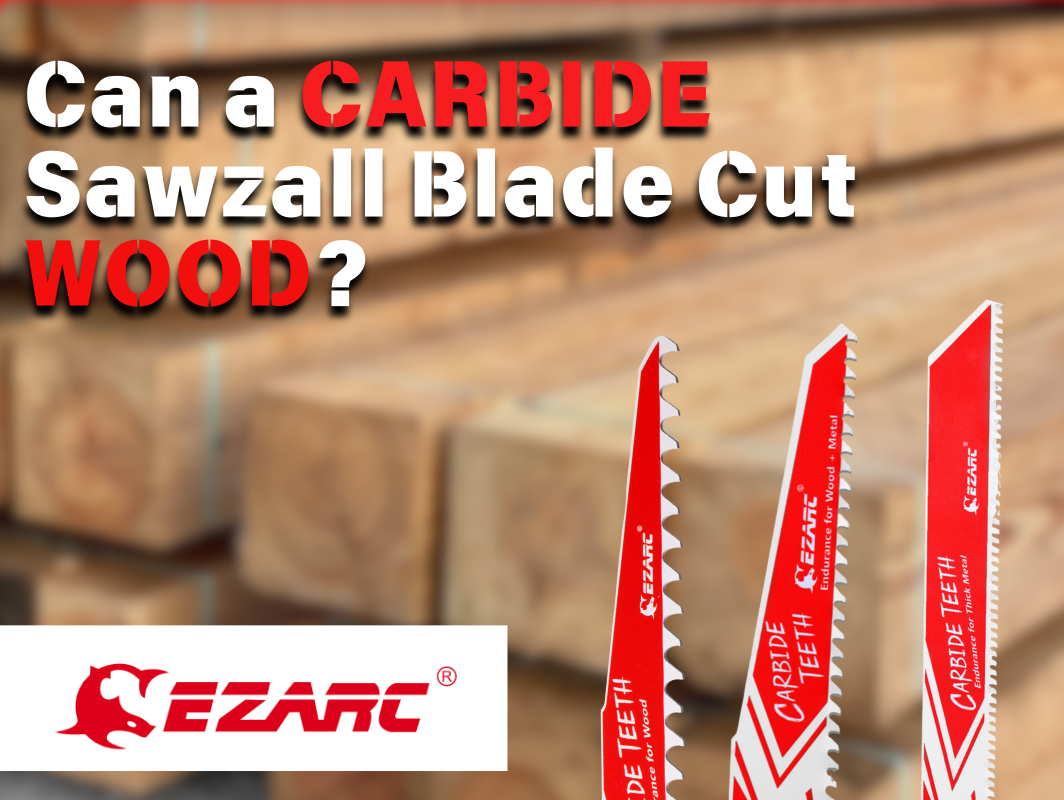
Si alguna vez te has parado en el pasillo de herramientas mirando un estante de cuchillas, no estás solo. Una de las preguntas más comunes que se hacen los profesionales y los aficionados serios al bricolaje es simple pero importante: ¿puede una hoja Sawzall de carburo realmente cortar madera de manera efectiva? La respuesta corta es sí, pero la respuesta larga depende de cómo están diseñadas las hojas Sawzall, qué tipo de madera estás cortando y qué esperas del corte.
En EZARC Tools, dedicamos mucho tiempo a diseñar hojas de sierra recíproca para uso en el mundo real, no solo en condiciones ideales. En esta guía, desglosaremos cómo funcionan las hojas de carburo, cuándo tienen sentido para cortar madera y cuándo otro tipo de hoja puede ser la opción más inteligente.
- 1. Entendiendo las hojas Sawzall
- 2. ¿Qué es una hoja Sawzall de carburo?
- 3. ¿Pueden las hojas de sierra recíproca de carburo cortar madera?
- 4. Ventajas de usar hojas de sierra recíproca de carburo para madera
- 5. Limitaciones a tener en cuenta
- 6. Elegir la hoja de sierra recíproca adecuada para madera
- 7. Casos de uso prácticos para hojas de carburo en el corte de madera
- 8. Veredicto final: ¿Deberías usar una hoja Sawzall de carburo en madera?
Entendiendo las hojas Sawzall

Antes de profundizar específicamente en el carburo, es útil entender cómo las hojas Sawzall se diferencian de otras herramientas de corte. A diferencia de las sierras circulares o las sierras de calar, las sierras recíprocas cortan con un movimiento recto y agresivo de empuje y tracción. Ese movimiento las hace ideales para trabajos de demolición, poda, enmarcado en bruto y remodelación.
La mayoría de las hojas de Sawzall están diseñadas pensando en la flexibilidad, la resistencia al impacto y la versatilidad. No son herramientas de precisión. Están construidas para cortar rápido, tolerar clavos y escombros, y seguir funcionando incluso cuando las condiciones no son perfectas.
Por eso el material de la hoja importa tanto.
¿Qué es una hoja Sawzall de carburo?

Una hoja Sawzall de carburo utiliza típicamente dientes de carburo, o granos de carburo, unidos a un cuerpo de hoja de acero. El carburo es significativamente más duro que el acero con alto contenido de carbono o los dientes bimetálicos. Esa dureza confiere a las hojas Sawzall de carburo una excepcional resistencia al desgaste, especialmente al cortar materiales abrasivos o mixtos.
Las hojas de carburo se asocian comúnmente con:
- Corte de metal
- Trabajo de demolición
- Madera con clavos
- Materiales compuestos
- Techos y revestimientos
Pero la dureza por sí sola no significa automáticamente "mejor" para cada tarea de corte de madera.
¿Pueden las hojas de sierra recíproca de carburo cortar madera?
Sí, las hojas de sierra recíproca de carburo pueden cortar madera absolutamente. De hecho, en ciertos escenarios, superan ampliamente a las hojas de madera tradicionales.

Sin embargo, el tipo de madera y las condiciones del corte importan más de lo que la mayoría de la gente se da cuenta.
Madera limpia y seca
Si estás cortando madera limpia y seca sin sujetadores, una hoja estándar para cortar madera con dientes agresivos y fresados generalmente cortará más rápido y dejará un borde más limpio. Las hojas de carburo seguirán cortando, pero pueden sentirse más lentas porque los dientes de carburo están optimizados para la durabilidad, no para un corte afilado.
Madera con clavos o sucia

Aquí es donde brillan las hojas Sawzall de carburo.
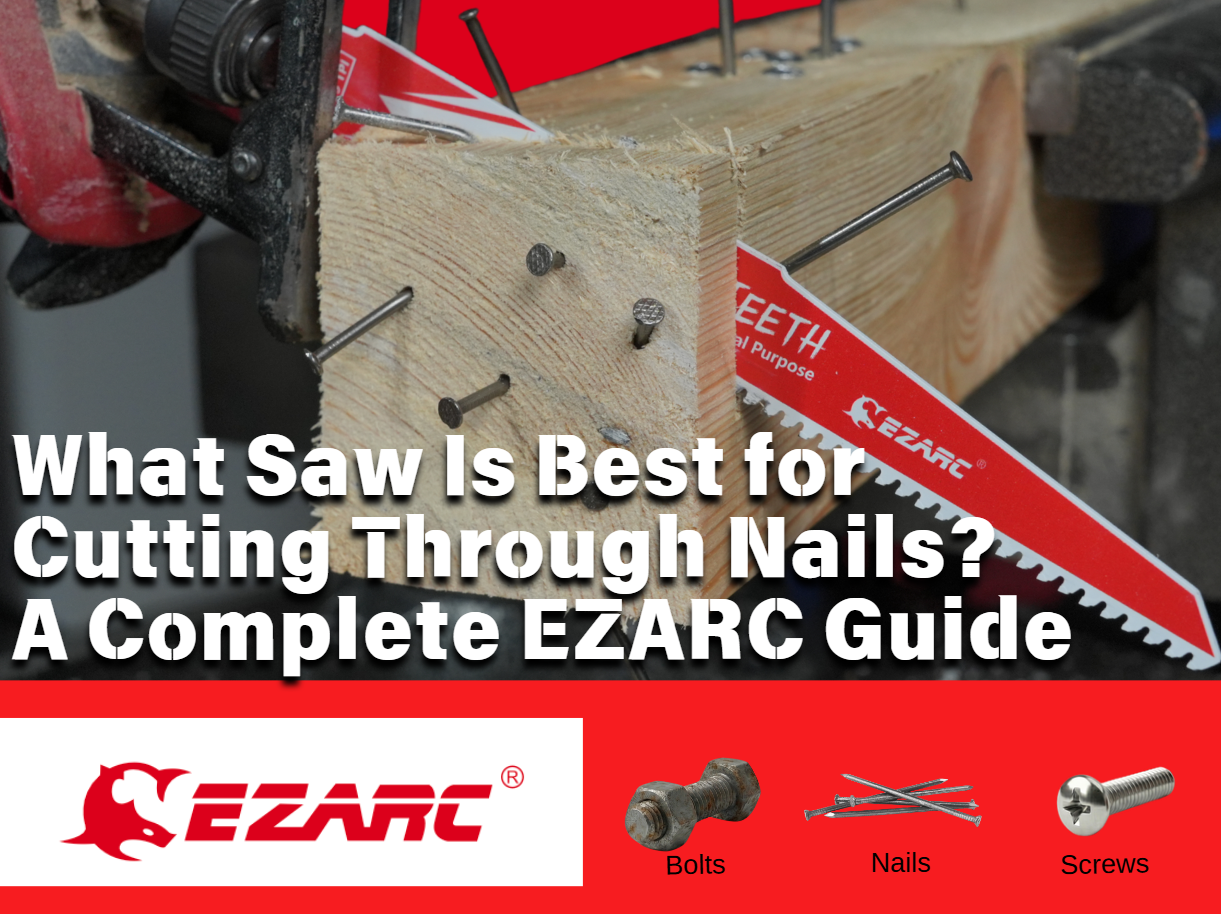
Al cortar madera para enmarcado, paletas, cercas o materiales de demolición que contienen clavos, tornillos, grapas o suciedad, los dientes de carburo mantienen su filo mucho más tiempo que las hojas bimetálicas. En lugar de desafilarse después de unos pocos impactos, el carburo sigue cortando.
Para remodeladores, contratistas y equipos de demolición, esta durabilidad a menudo supera la ligera pérdida de velocidad de corte.
Madera tratada a presión y para exteriores
La madera tratada a presión, las traviesas de jardín y la madera para exteriores a menudo contienen arena, suciedad o tratamientos químicos que desgastan rápidamente los dientes convencionales. Las hojas de sierra recíproca de carburo resisten la abrasión, lo que las convierte en una opción práctica para proyectos al aire libre y trabajos en el sitio.
Ventajas de usar hojas de sierra recíproca de carburo para madera
Elegir hojas de sierra recíproca de carburo para cortar madera tiene varias ventajas claras:
1. Vida útil excepcional de la hoja
Las hojas de carburo duran significativamente más que las hojas bimetálicas estándar, especialmente en condiciones difíciles. Menos cambios de hoja significan menos tiempo de inactividad y un menor costo a largo plazo.
2. Capacidad para cortar clavos
A diferencia de las hojas de madera tradicionales, las hojas Sawzall de carburo están diseñadas para cortar madera y metal sin fallos inmediatos de los dientes. Esto las hace ideales para trabajos de renovación y demolición.
3. Versatilidad
Una hoja de carburo a menudo puede reemplazar varias hojas especializadas. Si te encuentras con frecuencia con materiales mixtos, una sola hoja de carburo simplifica la configuración de tu herramienta.
4. Resistencia al calor
El carburo mantiene su dureza a temperaturas más altas, reduciendo la deformación de los dientes durante cortes largos o uso intensivo.

Limitaciones a tener en cuenta
A pesar de sus puntos fuertes, las hojas Sawzall de carburo no son una solución perfecta para cada tarea.
1. Más lentas en cortes limpios
Para trabajos de carpintería limpia donde la velocidad y el acabado importan, una hoja dedicada para madera generalmente superará al carburo.
2. Mayor costo inicial
Las hojas de carburo cuestan más inicialmente. Aunque a menudo se amortizan con el tiempo, el precio inicial puede ser un factor para los usuarios ocasionales.
3. Sensación de corte menos flexible
Algunas hojas de carburo se sienten más rígidas o menos tolerantes durante los cortes de inmersión en comparación con las hojas bimetálicas más delgadas.
Elegir la hoja de sierra recíproca adecuada para madera
Para los usuarios que trabajan con madera dura, madera con clavos o proyectos de demolición, EZARC ofrece una solución diseñada específicamente: la hoja de sierra recíproca de carburo EZARC de 3 TPI y 9–12 pulgadas para madera dura. Esta hoja está diseñada para manejar las condiciones de corte más difíciles, donde las hojas de madera estándar fallarían prematuramente.
Las características clave incluyen:
- Diseño de baja TPI para una rápida eliminación de material
- Dientes de carburo duraderos para una vida útil prolongada en madera dura, madera tratada a presión y madera contaminada con clavos
- Rendimiento versátil para proyectos de demolición, remodelación y construcción exterior
Esta hoja de carburo se alinea perfectamente con materiales impredecibles y condiciones de obra desafiantes. Para proyectos que exigen fiabilidad, durabilidad y rendimiento constante, esta hoja garantiza que el corte se realice de manera eficiente sin cambios constantes de hoja.
Para explorar más las hojas de sierra recíproca de EZARC y encontrar la adecuada para sus proyectos, consulte nuestra gama completa y guía detallada aquí.
Casos prácticos de uso de hojas de carburo en el corte de madera
Aquí hay algunos escenarios donde las hojas de Sawzall de carburo suelen ser la mejor opción:
- Proyectos de remodelación y demolición
- Corte de palets o madera recuperada
- Desmontaje de vallas y terrazas
- Desmontaje de tejados
- Construcción exterior con madera sucia o tratada
En estos entornos, la longevidad y la fiabilidad de la hoja son más importantes que un corte perfectamente limpio.
Veredicto final: ¿Deberías usar una hoja de sierra recíproca de carburo para madera?
Sí, cuando la situación lo requiera.
Las hojas de sierra recíproca de carburo no pretenden reemplazar todas las hojas de corte de madera, pero sobresalen donde se requiere durabilidad, versatilidad y capacidad de corte de clavos. Para profesionales y aficionados al bricolaje serios que se encuentran frecuentemente con materiales mixtos, las hojas de carburo suelen ser la opción más rentable y fiable.
Si su trabajo implica carpintería limpia, quédese con hojas de madera dedicadas. Si su trabajo implica la realidad (clavos, suciedad, sorpresas y demolición), entonces el carburo es la opción más inteligente.
En EZARC Tools, creemos que la mejor hoja es la que sigue funcionando cuando las condiciones están lejos de ser perfectas. Y eso es exactamente para lo que están construidas nuestras hojas de sierra recíproca de carburo.



Dejar un comentario
Este sitio está protegido por hCaptcha y se aplican la Política de privacidad de hCaptcha y los Términos del servicio.