
 Oscillating Multi-Tool Blades
 Reciprocating Saw Blades
 Cutting & Grinding
 Hole Saw
 Drilling
 Sanding & Polishing
 Socket & Driver Set
 Hand Tools
 Metal Worker & Fabrication
 Woodworking & Carpentry
 Electrical & Plumbing
 Automotive
 Concrete & Masonry
 Demolition
 NEW ARRIVALS
Building a useful DIY tool kit does not mean buying every drill bit, attachment, and accessory you see at the hardware store. For most home repairs, a small selection of versatile tools can handle a surprisingly wide range of jobs. The key is choosing accessories based on the materials and fasteners you actually work with.
A practical DIY tool kit can start with a drill, a few essential drill bits, and several useful accessories. From there, you can add pieces as your projects become more demanding instead of purchasing a large collection all at once.
- Start With the Drill You Already Have
- Choose a Basic Drill Bit Set
- Add Screwdriver Bits
- Consider Nut Driver Bits
- Add a Socket Adapter Before Buying a Separate Ratchet
- Use Extension Accessories When Access Is the Problem
- Build Your DIY Tool Kit Around Real Projects
- Buy Accessories Instead of Duplicate Tools
- A Simple Starter Setup
- Final Thoughts
Start With the Drill You Already Have
Before buying accessories, look at the drill you own. Check whether it uses a keyed or keyless chuck and what shank sizes it accepts. This helps you avoid buying accessories that your drill cannot use.
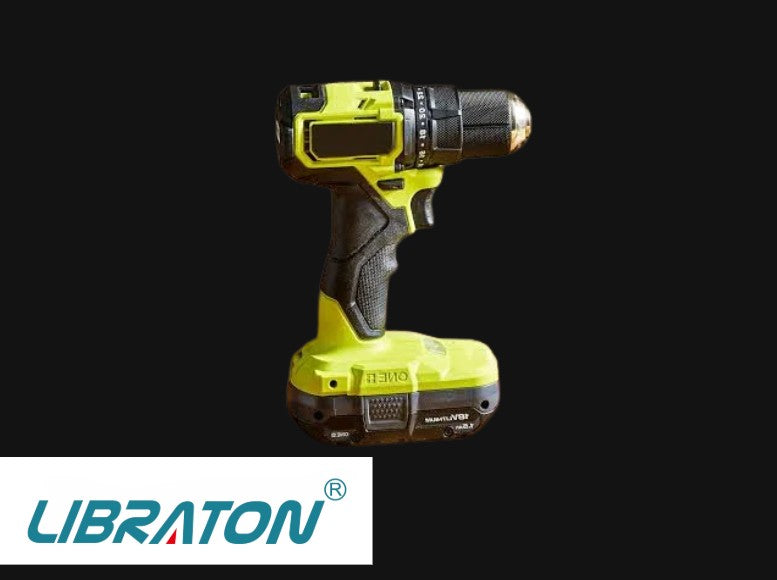
For basic home projects, a cordless drill or drill driver can handle tasks such as making holes, installing screws, assembling furniture, and working with various household materials.
You do not necessarily need a separate tool for every task. A compatible accessory can expand what your existing drill can do, which is one of the easiest ways to keep a DIY tool kit compact.
Choose a Basic Drill Bit Set
A drill bit set is usually the first accessory worth adding. Instead of buying individual bits whenever you encounter a new project, choose a set that covers the sizes you are most likely to need.
For general home use, consider having bits designed for common materials such as:
- Wood
- Metal
- Plastic
- General-purpose materials
The exact sizes you need depend on your projects. Smaller bits are useful for pilot holes and smaller fasteners, while larger sizes are useful when you need wider openings.
A drill bit set with several commonly used sizes gives you flexibility without requiring a large collection of specialty bits.
Add Screwdriver Bits
Drill bits make holes, but they are not designed to drive screws. That is where screwdriver bits become useful.
A small selection of common screwdriver bits can turn your drill into a convenient powered screwdriver for furniture assembly, repairs, shelving, hardware installation, and similar jobs.
Consider keeping common profiles such as Phillips, slotted, and other screw types you regularly encounter. There is no reason to buy a large assortment of uncommon profiles if most of your household projects use only a few.
This is one of the simplest ways to make a DIY tool kit more versatile without buying another power tool.
Consider Nut Driver Bits
If you frequently work with hex-head screws, bolts, or nuts, nut driver bits can be another practical addition to your drill accessories.
Nut drivers are designed to engage external hex fasteners, making them different from screwdriver bits. They can be particularly useful for assembling furniture, installing hardware, and handling fasteners that would otherwise require a separate hand tool.
Magnetic nut drivers can also help retain compatible fasteners during normal use. However, the magnet does not replace proper alignment or careful handling. Make sure the fastener is properly seated before operating the drill.
Add a Socket Adapter Before Buying a Separate Ratchet
If your projects involve different socket sizes, a socket adapter can expand the usefulness of your drill without requiring another powered tool.
The adapter connects the drill's chuck to a compatible socket. Socket drive sizes such as 1/4-inch, 3/8-inch, and 1/2-inch describe the connection size for the socket. They should not automatically be interpreted as indicators of torque capacity or heavy-duty suitability.
Choose an adapter that matches the sockets you intend to use and follow the limitations of the adapter, socket, and drill.
For applications involving impact drivers, only use components specifically rated for impact use.
Use Extension Accessories When Access Is the Problem
Sometimes the issue is not having the right bit. It is being unable to reach the fastener or hole comfortably.
A quick-release extension holder can add reach to compatible bits, making certain recessed or difficult-to-access areas easier to work in. Different extension lengths can provide different amounts of reach, so choose the shortest setup that gives you adequate access.
When using an extension holder, make sure the compatible bit is fully seated before operation.
This type of accessory can be more useful than purchasing another specialized tool simply because one project has limited access.
Build Your DIY Tool Kit Around Real Projects
The best DIY tool kit is not necessarily the largest one. Think about the jobs you actually perform around your home.
If you mainly assemble furniture and install shelves, prioritize screwdriver bits, common drill bits, and possibly nut drivers.
If you regularly make holes in wood or metal, put more of your budget toward an appropriate drill bit set.
If you frequently work with bolts and nuts, socket adapters and nut driver bits may provide more value than buying additional specialty drill bits.
This approach prevents your toolbox from filling up with accessories that rarely get used.
Buy Accessories Instead of Duplicate Tools
One of the biggest advantages of building around a drill is that a single power tool can work with different accessories. Instead of immediately purchasing separate tools for drilling, screwdriving, nut driving, and certain socket applications, you can first determine whether compatible drill accessories can handle the work.
That does not mean every accessory can replace a dedicated tool. Some jobs require specialized equipment, and you should always follow the manufacturer's instructions for the drill and accessory.
The goal is simply to avoid buying tools before you know you need them.
A Simple Starter Setup
For many basic household tasks, a compact setup could include:
- A cordless drill or drill driver
- A basic drill bit set
- A selection of screwdriver bits
- A few commonly used nut driver bits
- A suitable socket adapter if you work with sockets
- An extension holder for situations where additional reach is useful
You can then expand the kit when a project introduces a genuine need for another accessory.


Final Thoughts
Building a DIY tool kit is more about choosing versatile accessories than collecting as many tools as possible. Start with the drill you already own, add a useful drill bit set, and then choose drill accessories based on the materials, fasteners, and projects you encounter most often.
A compact DIY tool kit can cover drilling, screwdriving, nut driving, and some socket-related tasks without requiring a separate power tool for every application. By buying only what you are likely to use, you can keep your toolbox organized while still having the essentials for everyday home repairs.

コメントを書く
このサイトはhCaptchaによって保護されており、hCaptchaプライバシーポリシーおよび利用規約が適用されます。