
 Oszillierende Multifunktionswerkzeug-Sägeblätter
 Säbelsägeblätter
 Schneiden & Schleifen
 Lochsäge
 Bohren
 Schleifen & Polieren
 Steckschlüssel- und Knarrensatz
 Handwerkzeuge
 Metallbauer & Fertigung
 Holzbearbeitung & Zimmerei
 Elektro- & Sanitärinstallationen
 Automobil
 Beton & Mauerwerk
 Abriss
 NEUHEITEN
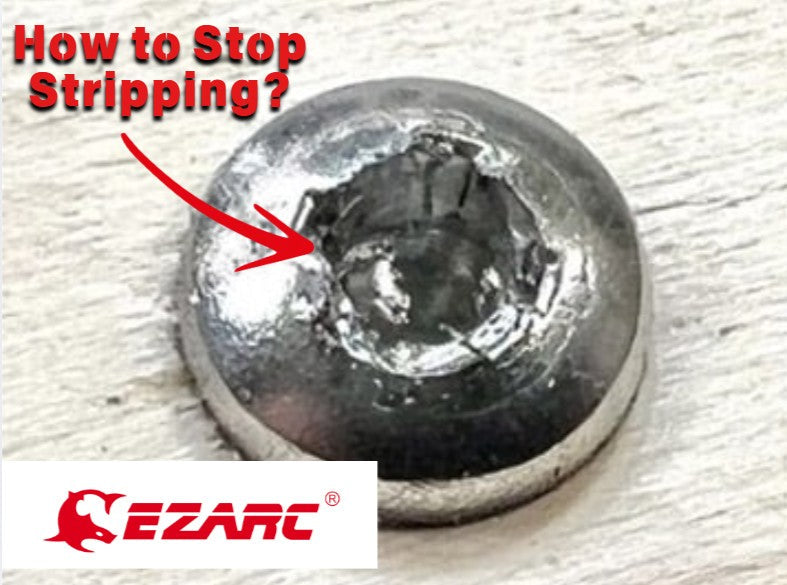
The Maddening Noise of a Stripped Fastener
We all know the heart-sinking moment of stripped screws. You start driving and hear a harsh metallic screech. High-speed rotation turns the screw head into a smooth bowl quickly.
A stripped screw stops your project. You might be assembling furniture or repairing machinery. A rounded head wastes time and ruins materials.
Stripping is rarely an accident. It results from bit slipping or excessive torque. Understanding this is key to preventing stripped fasteners. This guide explains why fasteners strip. It ranks drive designs and provides five practical rules.
Why Screws Keep Stripping: The 4 Main Causes of Stripped Screws

Fasteners strip when rotational force exceeds the metal recess strength. Several factors contribute to this mechanical failure.
1. The Cam-Out Effect
Cam-out happens when a bit slips out during high torque. Early Phillips designs used this to prevent over-tightening. Now, it causes major problems. The spinning bit shears away the metal walls.
2. Driver Bit Mismatch
Using an incorrect bit size or profile is the leading reason fasteners strip. Inserting a #1 driver bit into a #2 recess reduces surface contact area by over 50%. The reduced contact area forces rotational energy onto thin metal edges, immediately rounding off the fastener head under pressure.
3. Excessive Torque and Uncontrolled Speed
Modern cordless impact drivers produce tremendous torque. Do not drive soft fasteners without adjusting clutch settings. The driver can overpower the metal before threads seat.
4. Lack of Pilot Holes
Driving a wood screw directly into dense hardwood or metal without pre-drilling creates immense friction along the threads. As resistance builds, the driver bit slips on the head long before the fastener seats fully.
Fastener Drive Types Ranked: From Worst to Best


Not all drive heads are created equal. Drive geometry determines how effectively force transfers from the bit to the fastener without slipping or stripping.
| Drive Type | Cam-Out Resistance | Contact Area | Best Used For | Overall Verdict |
| Slotted (Flathead) | Extremely Low | Minimal (2 points) | Decorative antique trim | Worst: Slips easily; easy to ruin head |
| Phillips | Low (By Design) | Moderate (4 points) | Drywall, light assembly | Poor: Inherent cam-out design causes damage |
| Pozidriv | Medium-High | High (8 contact points) | Cabinetry, European hardware | Good: Requires exact Pozidriv bit to avoid slipping |
| Square (Robertson) | High | Very High (4 flat faces) | Framing, deck building, pocket holes | Great: Excellent grip; rarely strips |
| Torx (Star Drive) | Extremely High | Maximum (6 point contact) | Heavy construction, decking, auto | Best: Virtually eliminates the chance to strip a fastener |
5 Rules to Stop Stripping Fasteners Forever
Preventing fastener damage requires combining proper driving technique with the right hardware selections.
Rule 1: Match the Bit Size to the Fastener Head Exactly
Never guess your bit size when driving fasteners. Ensure your bit seats deeply with zero wobble inside the recess:
- Phillips #2 is standard for general drywall and wood screws, but will slip in a #1 or #3 head.
- Never use a standard Phillips bit in a Pozidriv recess (commonly found on European furniture like IKEA). Pozidriv fasteners feature additional tick marks between cross arms and require a dedicated PZ bit so you do not strip the head.
Rule 2: Set Your Drill Clutch Correctly
When using a cordless driver, adjust the numerical clutch collar. Start on a lower setting (e.g., 5 to 8) to disengage the motor before you strip the head. Increase clutch tension incrementally until the head seats flush with the surface.
Rule 3: Always Pre-Drill Pilot Holes

Always drill a pilot hole for hardwoods or metal plates. Match the hole to the root diameter of the shank. This reduces friction and prevents stripping.
Rule 4: Apply 80% Push, 20% Turn Force
Maintain heavy axial force directly behind the tool handle. Pressure should push forward down the shaft. Push hard against the head to keep the bit fully engaged inside the recess throughout the drive.
Rule 5: Upgrade to Torx (Star Drive) Fasteners
Replace soft Phillips fasteners with Torx (star drive) screws. Torx geometry distributes force against six vertical walls. This makes stripping virtually impossible under high torque.
How to Extract a Damaged Fastener (Emergency Extraction)
If you encounter a stripped screw on an existing project, use these extraction methods to remove the damaged fastener cleanly:
- The Rubber Band Method: Place a wide, flat rubber band over the damaged head. Press the driver bit firmly into the rubber band and turn slowly; the rubber fills gaps in the recess to provide extra grip.
- Locking Pliers: If the head protrudes above the work surface, grip the outer rim firmly with locking pliers and turn counter-clockwise to back the fastener out.
- Cut a Manual Slot: Use a rotary tool with a thin cutoff wheel to slice a single flat groove across the damaged head. Insert a flathead screwdriver to back it out.
- Use an Extractor Bit: Drill a small pilot hole directly into the center of the head. Insert a left-hand extractor bit; as you reverse your drill, the extractor bites into the metal and backs the fastener out smoothly.
Frequently Asked Questions
Why do impact drivers strip screws so easily?
Impact drivers deliver high torque for heavy fasteners. On small screws, impacts dislodge the bit. This causes the driver to round off the head instantly.
Is a Pozidriv bit interchangeable with a Phillips bit?
No. While they look similar, Pozidriv bits feature parallel flutes rather than tapered Phillips flutes. Using a Phillips bit on a Pozidriv recess causes high cam-out and rapidly damages the head.
Does bit wear cause fasteners to strip?
Yes. Worn bit tips lose crisp edges and become rounded. A worn bit acts like a wedge, sliding out under pressure and causing a stripped fastener. Inspect driver bits regularly and replace worn tips immediately.
Final Verdict
A stripped screw is preventable. Switch to Torx hardware and pre-drill pilot holes. Apply firm force and match your bit size. This ensures professional results on every project.


Hinterlasse einen Kommentar
Diese Website ist durch hCaptcha geschützt und es gelten die allgemeinen Geschäftsbedingungen und Datenschutzbestimmungen von hCaptcha.