
 Oszillierende Multifunktionswerkzeug-Sägeblätter
 Säbelsägeblätter
 Schneiden & Schleifen
 Lochsäge
 Bohren
 Schleifen & Polieren
 Steckschlüssel- und Knarrensatz
 Handwerkzeuge
 Metallbauer & Fertigung
 Holzbearbeitung & Zimmerei
 Elektro- & Sanitärinstallationen
 Automobil
 Beton & Mauerwerk
 Abriss
 NEUHEITEN
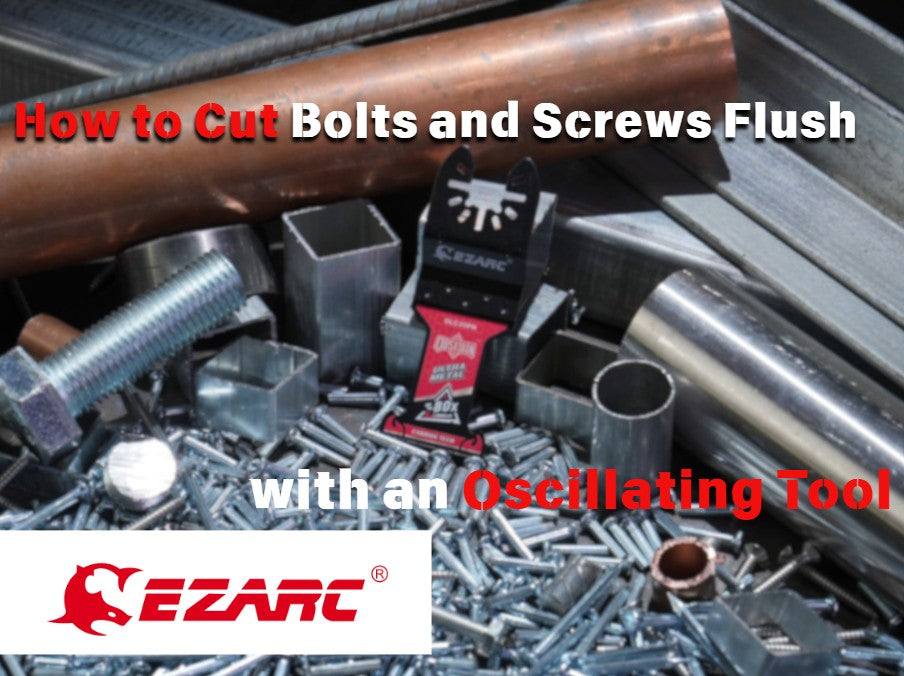
Es gibt einen Moment, den jeder Handwerker und ernsthafte Heimwerker gut kennt: Man ist mitten in der Arbeit, eine Schraube ragt heraus, wo sie nicht hingehört, und der Winkelschleifer ist drei Räume entfernt. Oder vielleicht ist der Platz zu eng für jedes normale Werkzeug. Man greift zum oszillierenden Multifunktionswerkzeug, und das ist genau der richtige Instinkt.
Das bündige Schneiden von Bolzen und Schrauben ist eine der praktischsten Anwendungen eines oszillierenden Werkzeugs. Aber hier ist, was die meisten Leute falsch machen: Sie geben dem Werkzeug die Schuld, obwohl der wahre Übeltäter die Klinge ist. Wenn Sie die falschen oszillierenden Multifunktionswerkzeugklingen verwenden, werden Sie Metall durchbrennen, Zähne abnutzen und trotzdem keinen sauberen Schnitt erzielen. Verwenden Sie die richtigen, und es ist fast chirurgisch.
Dieser Leitfaden behandelt alles: Technik, Einrichtung, Sicherheit und warum Ihre Klingenwahl den Erfolg oder Misserfolg der Arbeit bestimmt.
- 1. Warum ein oszillierendes Werkzeug perfekt für bündige Schnitte ist
- 2. Was Sie benötigen
- 3. Schritt-für-Schritt: Bolzen und Schrauben bündig schneiden
- 4. Häufige Fehler, die den Schnitt (und die oszillierenden Multifunktionswerkzeugklingen) ruinieren
- 5. Warum die Klingenwahl entscheidend ist
- 6. Kurzübersicht: Bolzenschneiden nach Material
- 7. Fazit
Warum ein oszillierendes Werkzeug perfekt für bündige Schnitte ist
Winkelschleifer sind leistungsstark, aber ungenau und gefährlich in engen Räumen. Metallsägeblätter bieten Kontrolle, erfordern aber Freiraum und Bewegungsfreiheit. Eine Säbelsäge ist zu aggressiv für feine Arbeiten in der Nähe von Oberflächen.
Das oszillierende Multifunktionswerkzeug gehört einer eigenen Kategorie an. Seine seitliche Oszillationsbewegung (typischerweise 10.000 bis 20.000 Schwingungen pro Minute) ermöglicht kontrolliertes, vibrationsarmes Schneiden direkt an einer Oberfläche. Die Klinge bewegt sich parallel zum Werkstück, was genau das ist, was Sie brauchen, wenn Sie einen Bolzen bündig mit einer Wand, einem Deckenbalken oder einer Betonplatte abschneiden.
Es passt auch dorthin, wo nichts anderes passt. Unter einem Spülbecken, in einer Wandhöhle, zwischen Balken. Wenn Platz für die Klinge ist, ist auch Platz für den Schnitt.
Was Sie benötigen
- Oszillierendes Multifunktionswerkzeug (jede Marke: Milwaukee, Ryobi, DeWalt, Fein, etc.)
- Hartmetall-oszillierende Multifunktionswerkzeugklingen für Metallschnitte
- Schutzbrille und Handschuhe
- Klebeband oder ein Marker (optional, zum Markieren von Schnittlinien)
- Eine feste Unterlage oder Klemme, falls das Befestigungselement nachgibt
Ein Hinweis zur Klingenwahl, bevor wir zur Technik kommen: Dies ist keine Aufgabe für Bi-Metall-Klingen. Bi-Metall-Oszillationssägeblätter sind gut für Holz und weiche Materialien, aber gehärtete Bolzen und Schrauben werden sie in Sekunden zerfressen. Sie benötigen Hartmetall, idealerweise mit einer hitzebeständigen Beschichtung, die wir unten ausführlich behandeln werden.
Schritt-für-Schritt: Bolzen und Schrauben bündig schneiden
Schritt 1: Befestigungselement und Oberfläche beurteilen
Bevor Sie etwas schneiden, identifizieren Sie, womit Sie es zu tun haben:
- Aus welchem Material ist der Bolzen? Standard-Zink- oder Stahlbolzen sind relativ einfach. Gehärteter Stahl, Bewehrungsstahl oder rostfreie Befestigungselemente erfordern aggressivere Hartmetall-Multifunktionswerkzeugklingen.
- Was ist die umgebende Oberfläche? Bündiges Schneiden an Holz ist nachsichtig. Bei Fliesen, Beton oder einem fertigen Boden benötigen Sie Präzision. Schon ein Millimeter Überlappung kann Schaden anrichten.
- Steht der Bolzen unter Spannung? Ein unter Last stehender Bolzen kann beim Schneiden brechen oder sich verschieben. Falls eine strukturelle Spannung vorliegt, lösen Sie diese vor dem Schneiden.
Schritt 2: Das richtige Sägeblatt auswählen und montieren
Zum bündigen Abtrennen von Metallbefestigungen benötigen Sie halbrunde oder gerade Hartmetall-oszillierende Multifunktionswerkzeugklingen mit feiner Zahnteilung. Breitere Sägeblätter bieten mehr Stabilität; schmalere sind besser für enge Räume geeignet.
Setzen Sie das Sägeblatt vollständig in die Werkzeugklemme ein. Ein lockeres Sägeblatt vibriert, wandert und verschleißt ungleichmäßig. Die meisten modernen oszillierenden Werkzeuge verfügen über einen werkzeuglosen Sägeblattwechsel, aber unabhängig vom System stellen Sie sicher, dass es fest verriegelt ist, bevor Sie das Gerät einschalten.

Schritt 3: Schneidelinie markieren (optional, aber empfohlen)
Wenn Sie nah an einer fertigen Oberfläche schneiden, nehmen Sie sich 30 Sekunden Zeit, um die Schnittlinie zu markieren. Ein Stück Malerkrepp, das an der Schnittlinie angebracht wird, dient auch als Tiefenführung und schützt die umgebende Oberfläche vor versehentlichem Verkratzen.
Schritt 4: Positionieren und eintauchen
Hier kommt es auf die Technik an:
- Starten Sie das Werkzeug, bevor Sie Kontakt herstellen. Tauchen Sie niemals ein stehendes Sägeblatt in Metall. Sie würden die Zähne beschädigen und das Hartmetall abplatzen lassen.
- Üben Sie leichten, gleichmäßigen Druck aus. Lassen Sie das Sägeblatt die Arbeit tun. Erzwingen erzeugt übermäßige Hitze, was der schnellste Weg ist, selbst ein Premium-Hartmetall-Sägeblatt zu zerstören.
- Halten Sie das Sägeblatt flach an der Oberfläche, die Sie bündig schneiden möchten. Das Ziel ist, dass die Sägeblattschuh oder die flache Seite des Sägeblatts auf der Oberfläche gleitet, damit der Schnitt eben ist.
- Verwenden Sie kurze, kontrollierte Schnitte, wenn der Bolzen dick ist. Versuchen Sie nicht, ihn in einem Zug durchzutrennen. Arbeiten Sie schrittweise.
Schritt 5: Schnitt reinigen und prüfen
Sobald Sie durchgeschnitten haben, schalten Sie das Gerät aus und lassen Sie das Sägeblatt und das frisch geschnittene Metall abkühlen, bevor Sie es berühren. Frisch geschnittene Metallkanten sind scharf und heiß. Verwenden Sie eine Feile oder eine Schleifscheibe, um Grate zu entfernen, falls eine perfekt glatte Oberfläche erforderlich ist.

Häufige Fehler, die den Schnitt (und die Oszillations-Multitoolklingen) ruinieren
Zu viel Druck ausüben. Dies ist der häufigste Fehler. Übermäßiger Anpressdruck erzeugt Reibung und Hitze, was das Hartmetall schnell abstumpft und dazu führen kann, dass das Sägeblatt abwandert. Leichter, gleichmäßiger Druck. Lassen Sie die Oszillation die Arbeit tun.
Trockenes Schneiden von Edelstahl oder gehärtetem Stahl. Bei besonders zähen Befestigungen verlängert ein Tropfen Schneidöl auf dem Sägeblatt die Lebensdauer und verbessert die Schnittqualität merklich.
Ein abgenutztes oder falsches Sägeblatt verwenden. Wenn Sie spüren, dass das Werkzeug kämpft, übermäßig vibriert oder mehr Hitze als Fortschritt erzeugt, ist das Sägeblatt entweder für das Material falsch oder bereits verbraucht. Tauschen Sie es aus.
Das Werkstück nicht sichern. Eine Befestigung, die sich während des Schneidens bewegt, kann das Sägeblatt brechen oder dazu führen, dass der Schnitt abweicht. Wenn das, was Sie schneiden, Spiel hat, klemmen oder stützen Sie es zuerst ab.


Warum die Wahl der Klinge entscheidend ist
Sprechen wir hierüber ausführlich, denn dies ist der Teil, den die meisten Anleitungen übergehen.
Standard-Bimetall-Oszillations-Multifunktionswerkzeugklingen haben eine Schneide aus Hochgeschwindigkeitsstahl. Bei weichen Metallen wie Aluminium, dünnem Blech und Kupferrohren halten sie recht gut. Bei gehärteten Schrauben, Bolzen, Bewehrungsstahl oder Gewindestangen? Sie stumpfen innerhalb eines einzigen Schnitts ab. Man muss die Klingen ständig ersetzen, und die Schnittqualität verschlechtert sich, sobald die Schneide ihren Biss verliert.
Hartmetall-Oszillations-Multifunktionswerkzeugklingen sind eine völlig andere Kategorie. Hartmetall ist deutlich härter als Hochgeschwindigkeitsstahl. Es behält seine Schneide unter anhaltenden Schnittlasten und hohen Temperaturen, die Bimetall zerstören würden. Für bündige Schnitte von Metallbefestigungen ist Hartmetall kein Luxus. Es ist das richtige Werkzeug für die Aufgabe.
Die nächste Stufe sind Hartmetallblätter mit einer TiAlN-Beschichtung (Titan-Aluminium-Nitrid), der gleichen Wärmebarrierentechnologie, die auch in der industriellen CNC-Bearbeitung verwendet wird. Diese Beschichtung schützt die Schneide vor Wärmestau, der die Hauptursache für Ausfälle beim Schneiden von gehärtetem Metall ist. Das Ergebnis ist eine Klinge, die länger scharf bleibt, schneller schneidet und sich nicht so aggressiv erwärmt.
Das EZARC Gen 4 Obsidian Hartmetall-Oszillationsblatt wurde genau daraufhin entwickelt: Industrietaugliche Hartmetallzähne mit TiAlN-Beschichtung, präziser Zahngeometrie und einer um 25 % längeren Schnitttiefe als bei früheren Generationen. Praktisch gesehen bietet es eine bis zu 80-mal längere Lebensdauer als herkömmliche Bi-Metall-Blätter und schneidet bis zu 2-mal schneller als Standard-Hartmetall. Weniger Klingenwechsel, sauberere Schnitte und viel weniger Frust bei Arbeiten mit gehärteten Befestigungselementen. Es ist auch universell kompatibel mit den meisten gängigen Oszillationswerkzeugmarken, sodass es in jedes Set passt.

Für alle, die regelmäßig bündige Schrauben- und Bolzenschnitte durchführen (Handwerker, Installateure, Elektriker, Zimmerleute), macht sich ein solches Blatt allein durch Zeitersparnis und geringere Ersatzkosten schnell bezahlt.
Kurzübersicht: Bolzenschneiden nach Material
| Befestigungsart | Empfohlenes Blatt | Hinweise |
| Standard-Zink-/Stahlbolzen | Hartmetall-Oszillationsblatt | Häufigstes Befestigungselement auf der Baustelle |
| Gehärtete Stahlbolzen | TiAlN-Hartmetallblatt | Benötigt hitzebeständige Schneide |
| Bewehrungseisen | TiAlN-Hartmetallblatt | Hohe Belastung, Hartmetall unerlässlich |
| Edelstahlschrauben | Hartmetall + Schneidöl | Edelstahl härtet sich beim Bearbeiten; langsam vorgehen |
| Gewindestangen | Hartmetall-Oszillationsblatt | Verwenden Sie schrittweise Durchgänge |
Fazit
Bolzen und Schrauben bündig mit einem Oszillationswerkzeug zu schneiden, ist eine der saubersten und kontrolliertesten Methoden, um überstehende Befestigungselemente zu bearbeiten, wenn man es richtig macht. Eine gute Technik ist entscheidend: Werkzeug vor dem Kontakt starten, leichten Druck ausüben, die Klinge flach halten und die Oszillation arbeiten lassen.
Aber mehr als alles andere bestimmt die Qualität Ihrer Oszillationswerkzeugblätter das Ergebnis. Bi-Metall verschleißt bei gehärtetem Metall schnell. Hartmetall behält seine Schärfe. TiAlN-beschichtetes Hartmetall hält länger, läuft kühler und bewältigt die härtesten Befestigungselemente ohne zu zögern.
Wählen Sie das richtige Blatt, und der Schnitt erledigt sich von selbst.


Hinterlasse einen Kommentar
Diese Website ist durch hCaptcha geschützt und es gelten die allgemeinen Geschäftsbedingungen und Datenschutzbestimmungen von hCaptcha.